
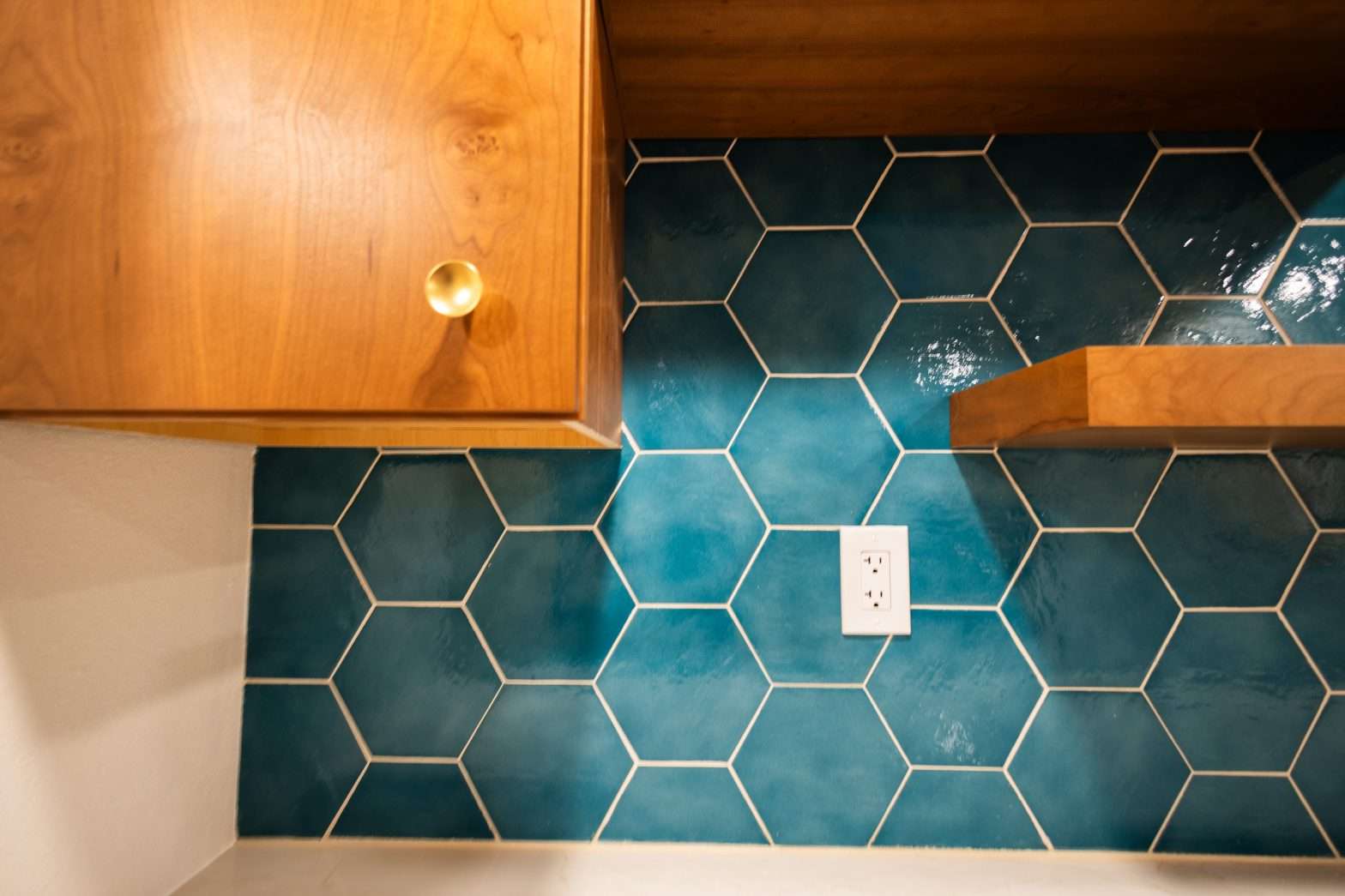
Tile can completely change the look and feel of a bathroom, kitchen, entryway, or other space, but a lasting installation depends on proper preparation and attention to the details you don’t always see.
Betterly Construction provides custom tile installation in Tacoma and surrounding communities, both as part of larger remodels and for smaller, tile-only projects.
- Shower and tub surrounds
- Kitchen backsplashes
- Tile floors and custom details
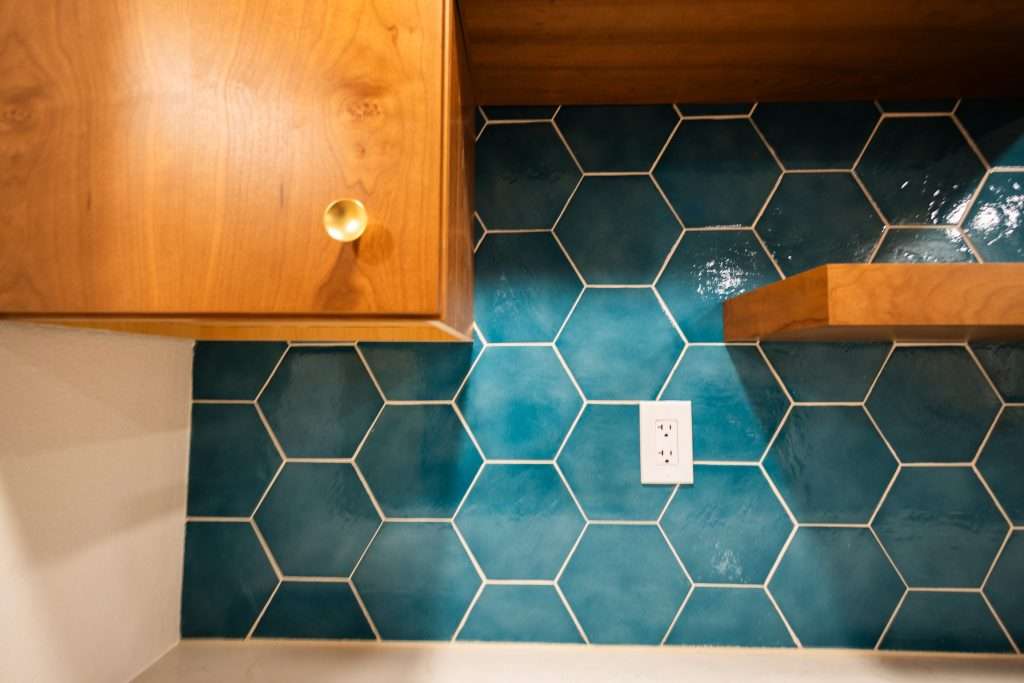
Custom Tile Installations That Fit the Space
“Custom” tile work does not have to mean fancy or expensive. It means planning the installation around your space, the tile you’ve chosen, and how the finished area will actually be used.
That can include anything from balancing the layout around a kitchen backsplash to working around shower niches, corners, thresholds, or other features that require careful cuts and transitions. The goal is a finished installation that looks intentional, fits naturally within the room, and holds up to everyday use.
Tile Services We Offer
Tile can be a smaller, stand-alone upgrade or one part of a larger renovation. Betterly Construction installs tile throughout the home, with services ranging from kitchen backsplashes and bathroom floors to custom showers and other high-use surfaces.
For complete room renovations, visit our Bathroom Remodeling or Kitchen Remodeling pages.
Bathroom Tile Installation
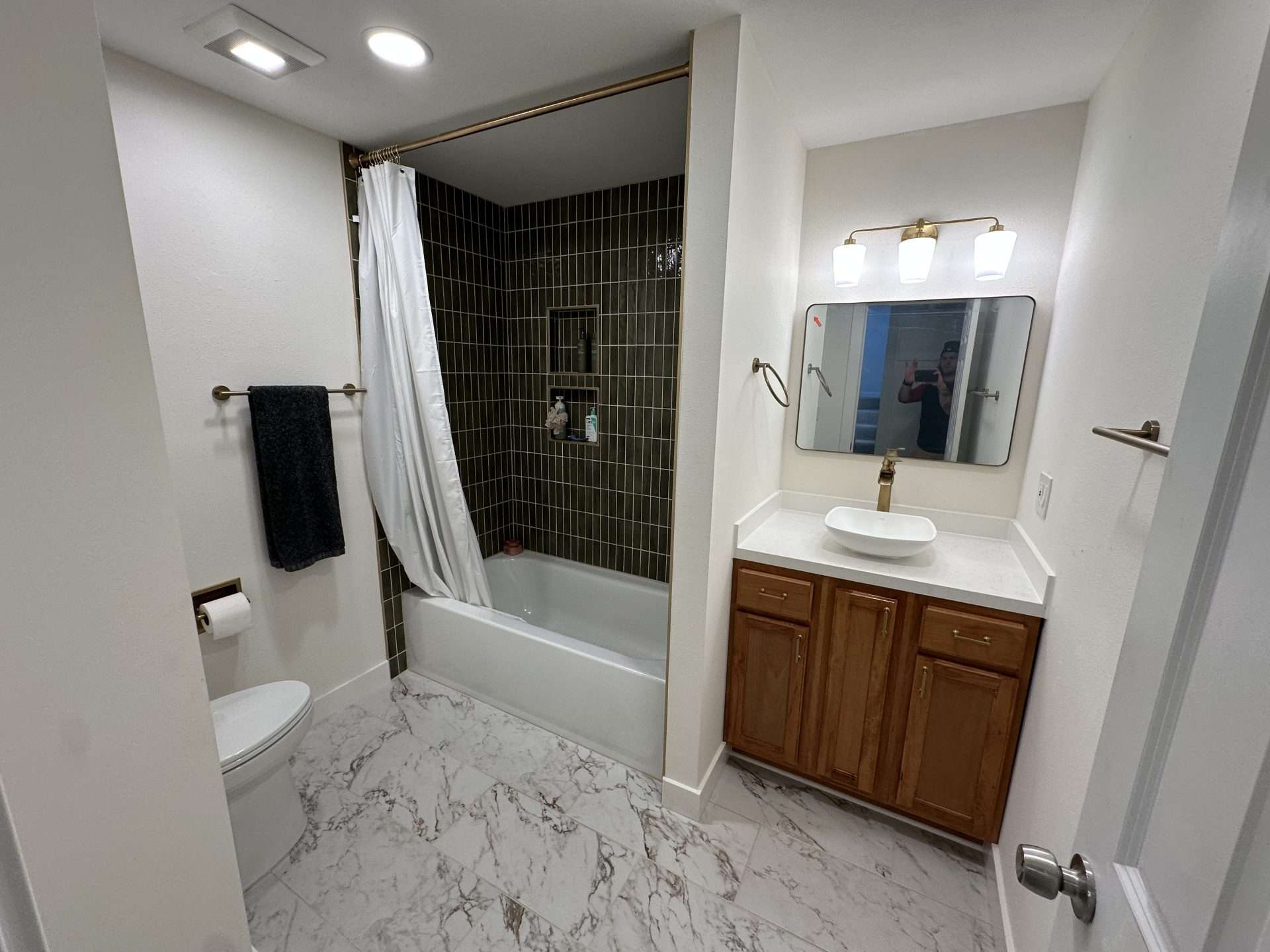
Bathrooms demand tile work that can handle moisture, daily wear, and frequent cleaning. From shower walls and tub surrounds to bathroom floors, we plan each installation around the space, tile selection, and conditions of the area so the finished surface looks clean and performs well over time.
Wet areas require particular attention to what happens behind the tile. Proper surface preparation and waterproofing help protect showers and tub surrounds from moisture, while thoughtful tile and grout choices can make bathroom floors and other surfaces easier to maintain.
Common bathroom tile projects include:
- Bathroom floor tile installation
- Shower walls and shower tile replacement
- Tub surrounds and bathtub tile replacement
- Shower niches, benches, and accent tile
- Localized bathroom tile and flooring repairs
Kitchen Tile & Backsplash Installation
Kitchen tile can add color, texture, and character without requiring a complete remodel. We install backsplashes, tile flooring, and other kitchen tile surfaces with careful attention to layout, alignment, and how the new tile works with surrounding cabinets, countertops, and finishes.
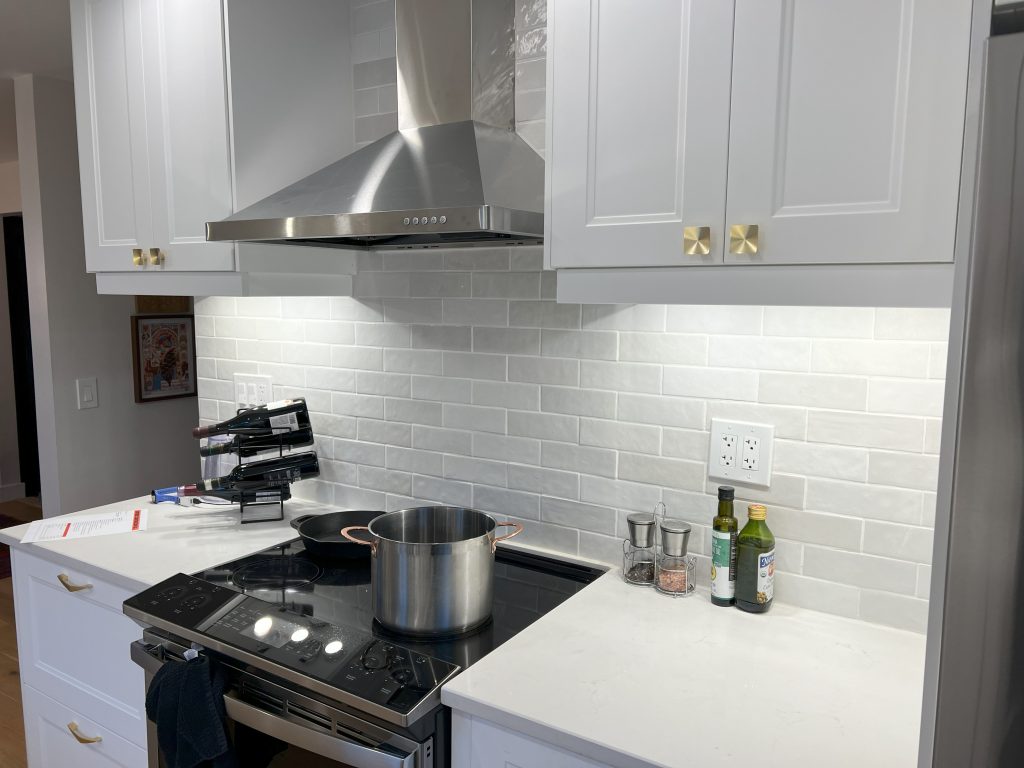
Tile installation can be a stand-alone project or coordinated with new countertops, cabinet updates, flooring changes, or a larger kitchen renovation. Whether you’re replacing an outdated backsplash, installing a new tile floor, or adding tile to a newly remodeled space, we plan the installation so it feels like a natural part of the finished kitchen.
Common kitchen tile projects include:
- Standard and full-height tile backsplashes
- Backsplash replacement during kitchen updates
- Patterned and accent tile installations
- Ceramic and porcelain kitchen flooring
Tile Flooring Installation for High-Traffic Areas
Tile flooring is a practical choice for entryways, mudrooms, laundry rooms, kitchens, and bathrooms because it stands up well to moisture, foot traffic, and frequent cleaning. With the right tile and proper installation, it can provide a durable, low-maintenance surface for some of the busiest areas of your home.
A long-lasting tile floor starts with a solid foundation. Before installation, we evaluate the existing subfloor for uneven areas, movement, or damage that should be addressed before new tile goes down.
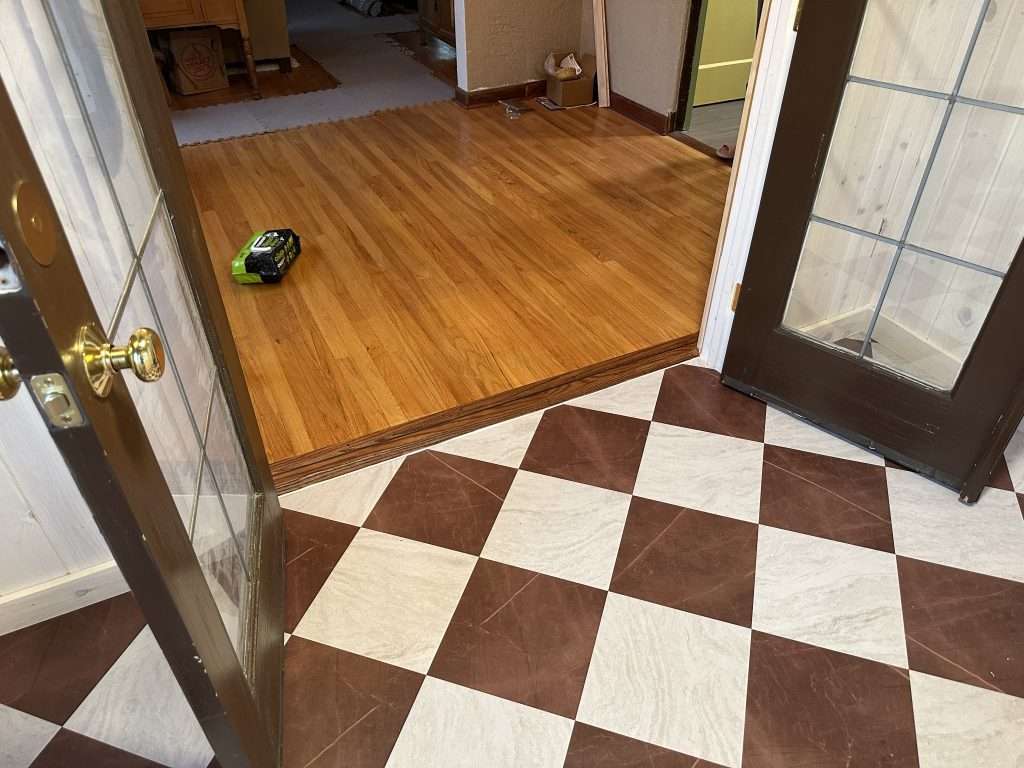
We also plan transitions and thresholds so the new tile meets adjacent flooring cleanly and feels like it belongs in the space. If existing tile needs to be replaced, we can handle removal and prepare the floor for the new installation.
Tile Repair vs. Tile Replacement
Not every damaged tile surface needs to be completely replaced. When cracked or loose tiles are isolated and the surrounding installation is still stable, a targeted repair may be enough to restore the area and extend its useful life.
Widespread cracking, recurring grout failure, hollow or loose tiles, soft spots, and signs of water damage can point to a problem beneath the surface. In those cases, simply replacing the damaged tile may only provide a temporary fix. We can help identify the likely cause and determine whether repairing the affected area or replacing the installation makes more sense for the space.
When replacement is the better option, we can remove the existing tile, address necessary surface repairs, and prepare a solid foundation for the new installation.
Choosing Tile That Matches Real Life
Tile should fit the way a space is used, not just look good on a sample board. We can help you choose materials and finishes that make sense for the room’s moisture, foot traffic, maintenance needs, and overall look.
Ceramic vs. Porcelain
Ceramic tile is a versatile option for many areas of the home and is often available at a more accessible price point. Porcelain is typically denser and less absorbent, making it especially well suited to high-traffic or moisture-prone spaces such as bathrooms, laundry rooms, kitchens, and entryways.
Natural Stone
Natural stone offers a distinctive look, but it generally requires more maintenance than ceramic or porcelain, including periodic sealing and more careful cleaning. If you’re considering stone, we can help determine whether it’s a practical choice for the location and the level of upkeep you’re comfortable with.
Size, Finish & Texture
Tile size and finish can affect both the appearance and everyday practicality of a space. Large-format tile creates fewer grout lines and a clean, streamlined look, while smaller tile offers more flexibility for patterns, tight spaces, and detailed features.
Matte and textured finishes can provide better traction and tend to disguise water spots and smudges, while glossy surfaces reflect more light but may require more frequent cleaning to maintain their appearance.
If you already have tile picked out, we can make sure it’s appropriate for the space and planned installation. If you’re still deciding, we can help narrow down the options based on how the room will be used and the look you’re trying to achieve.
What Makes Tile Work Last?
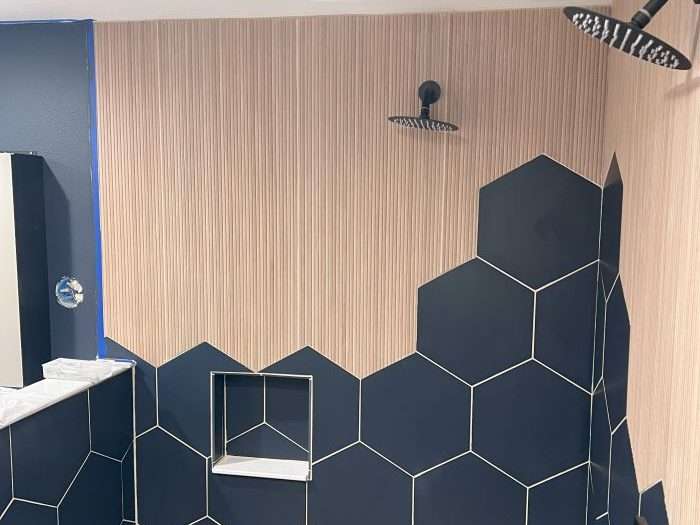
A quality tile installation depends just as much on what happens beneath and around the tile as the finished surface you see. Proper preparation, waterproofing, layout, and finishing details all work together to help prevent cracking, moisture problems, and premature failure.
Demolition and Surface Prep
If existing tile needs to come out, we handle the demo and removal, then prep the surface properly for the new installation. Depending on the condition of the space, that may include:
- Subfloor repair or replacement
- Floor leveling
- Wall surface repair and reinforcement
- Appropriate underlayment for the area and tile type
Taking care of these issues before installation creates a solid, even foundation for the new tile. We also protect surrounding finishes and keep the work area contained throughout demolition and prep.
Waterproofing for Showers & Wet Areas
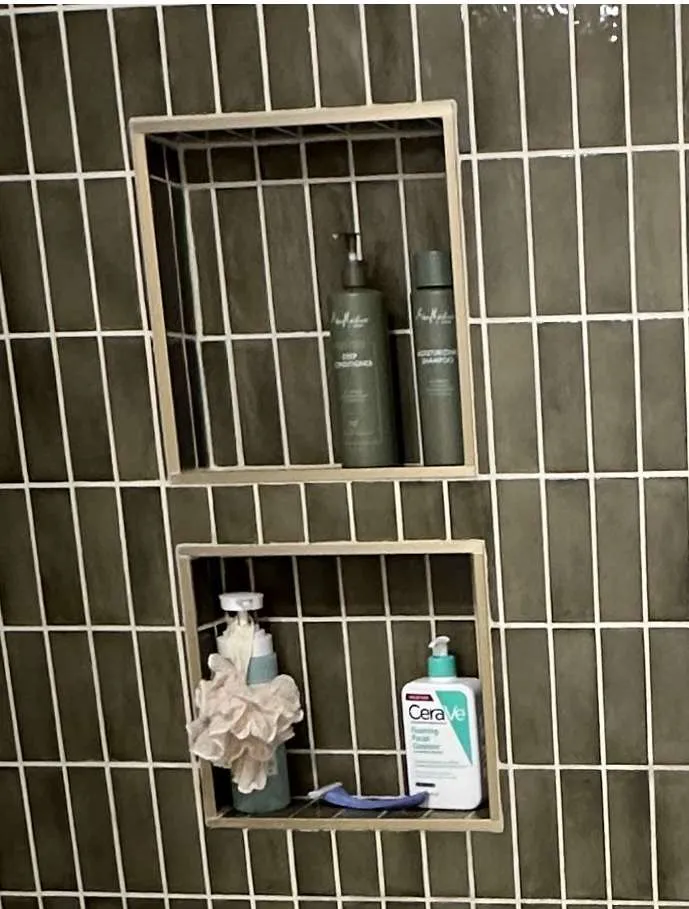
In showers, tub surrounds, and other wet areas, tile is only one part of the moisture-management system. Proper waterproofing behind the finished surface helps protect the surrounding structure from water damage.
We pay particular attention to areas where water intrusion is more likely, including shower pans, niches, benches, corners, edges, and transitions around fixtures. The appropriate waterproofing approach will depend on the existing conditions and the type of installation.
Grout, Transitions & Finishing Details
The finishing details affect both how tile looks and how well it performs over time. We pay close attention to:
- Grout type and color
- Movement at corners and changes of plane
- Trim profiles and finished edges
- Thresholds between tile and adjacent flooring
- Caulking and sealing where appropriate
Careful planning at joints, edges, and transitions helps create a cleaner finished installation while accounting for everyday movement, moisture, and wear.
Tile Project Timelines and What to Expect
Tile project timelines vary depending on the size and complexity of the installation, whether existing tile needs to be removed, and how much preparation is required before installation can begin. A kitchen backsplash, for example, will typically involve a different process than a fully tiled shower.
During your estimate, we’ll walk through:
- The scope of work and expected project timeline
- Any preparation or repairs needed before installation
- Which areas of your home will be unavailable and for how long
- How we’ll protect surrounding surfaces and manage cleanup
As a general contractor, Betterly Construction can also address related repairs or improvements when the tile is one part of a larger project, while still taking on smaller, stand-alone tile installations.
Get a Quote for Tile Installation in Tacoma
Looking for a tile contractor in or around Tacoma?
Whether you’re planning a new backsplash, bathroom floor, shower or tub surround, or another custom tile project, we’d be happy to discuss your space and help you determine the next step.
Tiling Installation FAQs
Do you handle shower tile installation, including waterproofing and shower pans?
Yes. We install shower tile and handle the prep and waterproofing steps that standard shower tile work requires, including shower pan planning when needed. During the estimate, we will confirm the right approach for your existing conditions and your goals.
Can you do tile-only projects, or only tile as part of a remodel?
We do both. Many tile projects happen during bathroom and kitchen remodels, but we also take on tile-only work when the scope is a good fit for the space and the surfaces are in workable condition.
Do you install tile backsplashes in kitchens?
Yes, backsplash tile is one of the most common kitchen upgrades. We install standard and full-height backsplashes with clean transitions around outlets, corners, counters, and cabinets.
Can you repair tile, or does it usually need to be replaced?
It depends on the cause of the problem. If the issue is isolated and the underlying surface is stable, tile repair can be a practical solution. If there is widespread cracking, moisture damage, or recurring failure, replacement is usually the better long-term option.
What is the difference between ceramic and porcelain tile for bathroom floors?
Porcelain tile is generally denser and less absorbent, which can make it a strong option in moisture-prone or high-traffic areas. Ceramic tile can still be a great choice depending on the location, budget, and design preferences.
How long does tile installation take?
Timelines depend on demolition needs, surface prep, and whether the project is a wet area (like a shower) or a smaller dry-area install (like a backsplash). During your estimate, we’ll outline the expected schedule and what areas will be out of service.