Countertops are one of the most important material decisions in a remodel, especially in the kitchen. They occupy a significant amount of visual space, serve as a daily work surface, and play a major role in how the room functions. That’s why choosing the best countertop material involves more than simply finding a color or pattern you like.
Many homeowners begin their search by comparing appearance alone, but factors such as durability, maintenance requirements, moisture resistance, and everyday usability often have an even greater impact on long-term satisfaction. A countertop that looks beautiful in a showroom may not be the right fit for a busy family that cooks every night, while a material that performs exceptionally well may not provide the style or character another homeowner is looking for.
In the Pacific Northwest, a few additional considerations should come into play. Natural light conditions can affect how colors and patterns appear throughout the day, while moisture and humidity may influence the performance and maintenance needs of certain materials. Homeowners remodeling older Tacoma kitchens may also find that countertop selection plays an important role in balancing modern functionality with the character of their home.
With so many kitchen countertop choices available, it’s easy to become overwhelmed by the options. Quartz, quartzite, granite, butcher block, laminate, and other countertop materials each offer their own advantages, drawbacks, maintenance requirements, and design possibilities.
This guide compares the most common countertop options for kitchens and discusses how certain materials make more sense in other settings like bathrooms, laundry areas, and outdoor kitchen spaces. Rather than asking which countertop is universally “best,” it often makes more sense to ask which material best fits the way your household actually cooks, gathers, entertains, and lives.
What Matters Most When Choosing a Countertop?
When homeowners begin researching kitchen countertops, it’s easy to get caught up in the appearance. Color, pattern, and overall style are certainly important, but they should be only one part of the decision. Countertop materials vary significantly in terms of durability, maintenance requirements, and cost, and a surface that looks perfect on day one may not feel like the right choice after years of cooking, cleaning, entertaining, and daily use.
Durability is often one of the first factors to consider. Some materials resist scratches, stains, and heat better than others, while certain surfaces require more care to maintain their appearance over time. Households that cook frequently, have young children, or regularly entertain guests often place a higher value on durability than homeowners who use their kitchens less.
Maintenance requirements are equally important. Some countertop materials require little more than routine cleaning, while others need periodic sealing, oiling, or specialized care. Understanding how much maintenance you’re willing to take on can help narrow the field considerably.
Budget also plays a role, but it’s important to remember that the least expensive option is not always the most economical in the long run. Installation costs, maintenance needs, repairability, and expected lifespan can all influence the overall value of a countertop.
Of course, style and appearance shouldn’t be overlooked. Some homeowners prefer the consistency of engineered materials, while others are drawn to the unique character and variation found in natural stone or wood. The amount of natural light a kitchen receives can also affect how colors and patterns appear throughout the day. In Western Washington, where softer daylight conditions are common for much of the year, certain materials and color palettes may look noticeably different than they do under showroom lighting.
Finally, it’s important to think about how the space is actually used. Many Tacoma-area kitchens serve as gathering places for family meals, homework, entertaining, and everyday conversation in addition to cooking. A countertop that works well for a single homeowner may not be the best fit for a busy household that spends several hours a day in the kitchen.
Quartz Countertops:
The Low-Maintenance Favorite
Quartz countertops have become one of the most popular choices in modern kitchen remodels, and for good reason. When comparing the pros and cons of quartz countertops, the conversation often comes back to a combination of durability, appearance, and ease of maintenance. For busy households that want an attractive surface without a lot of ongoing upkeep, quartz can be an appealing option.
Why Quartz Has Become So Popular
Unlike natural stone, quartz countertops are engineered using crushed quartz minerals combined with resins and pigments. This manufacturing process creates a highly consistent surface that is available in a wide range of colors, patterns, and finishes. Homeowners who prefer a uniform appearance often appreciate the predictability that quartz offers from slab to slab.
One of quartz’s biggest advantages is its non-porous surface. Unlike many natural stone materials, quartz does not require periodic sealing and is highly resistant to staining from common kitchen spills. Coffee, wine, cooking oils, and other everyday messes are typically easy to clean without any lasting stains or damage to the countertop.
Quartz is also well suited to the demands of busy family kitchens. Its durability and low-maintenance nature make it a practical choice for households where counters are used throughout the day for meal preparation, homework, entertaining, and other daily activities. That’s why it’s no surprise that quartz countertops have become increasingly common in Tacoma-area kitchen remodels where homeowners are looking for a balance of performance and appearance.
Potential Drawbacks of Quartz
No countertop material is perfect, and quartz has a few limitations worth considering.
While quartz is durable, it is not as heat resistant as some natural stone options. Setting a hot pan or baking dish directly on the surface can potentially cause damage, making trivets and hot pads an important part of everyday use.
Some homeowners also find that quartz lacks the natural variation and one-of-a-kind character found in materials such as granite, quartzite, or butcher block. While many manufacturers produce patterns designed to mimic natural stone, the appearance is generally more consistent and controlled.
Cost can be another consideration. Although quartz is often less expensive than some premium natural stone options, it typically costs more than materials like laminate or butcher block. In addition, while small chips can often be repaired, more extensive damage may be difficult to blend seamlessly because of quartz’s engineered patterns and color consistency.
Best Fit For
Quartz is often a strong choice for:
- Busy families with active kitchens
- Homeowners who want minimal maintenance
- Frequent cooks who value stain resistance and durability
- Households looking for a balance of performance and appearance
- Long-term homeowners who want a dependable, easy-to-care-for surface
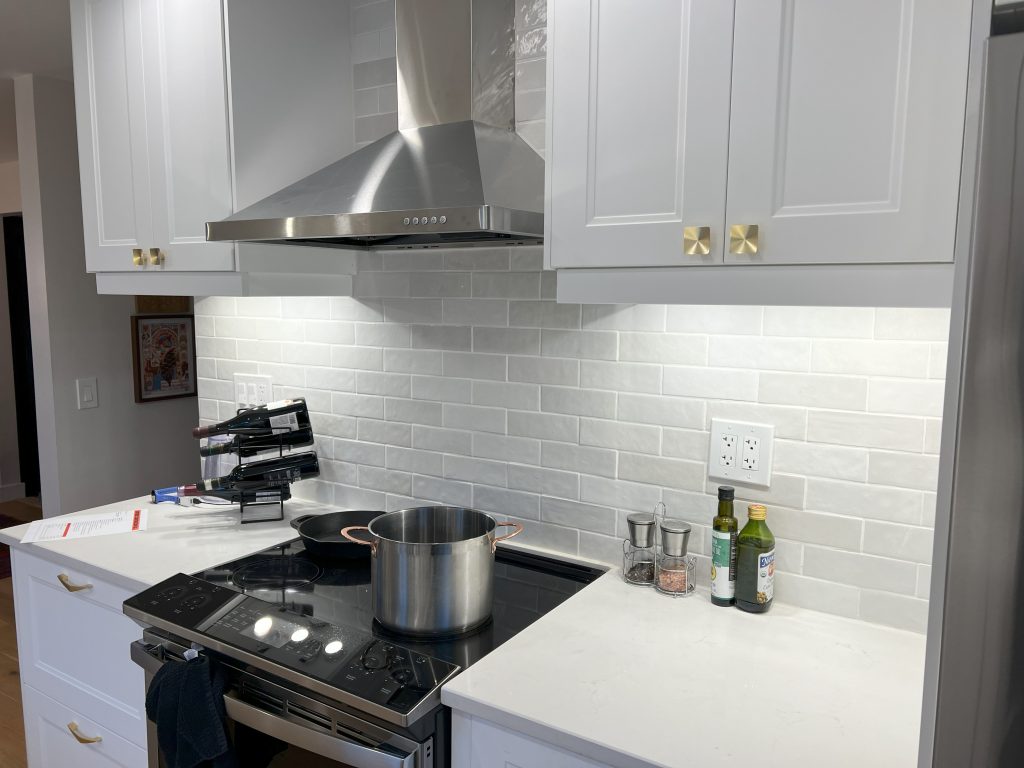
For many homeowners, the appeal of quartz comes down to simplicity. It offers a combination of durability, low maintenance, and design flexibility that fits comfortably into a wide variety of kitchen styles and lifestyles.
Quartzite Countertops:
Natural Stone with Premium Durability
Quartzite countertops are often misunderstood because of their similarity in name to quartz. Despite the nearly identical names, however, the two materials are very different. Before comparing quartzite’s strengths and weaknesses, it’s important to understand what separates it from quartz in the first place.
What Makes Quartzite Different from Quartz?
Quartzite is a naturally occurring stone formed when sandstone is exposed to heat and pressure over long periods of time. Each slab is unique, with natural veining, movement, and color variation that cannot be replicated exactly.
Unlike the engineered uniformity achieved with quartz, quartzite embraces the irregularities found in nature. This gives each installation a distinctive character and makes quartzite particularly appealing to those who want a countertop that feels one-of-a-kind.
This distinction affects more than appearance alone. Because quartzite is a natural stone rather than an engineered product, it also has different maintenance requirements, performance characteristics, and long-term care considerations.
Advantages of Quartzite
One of quartzite’s biggest strengths is that it delivers premium performance without sacrificing the beauty of natural stone. Homeowners don’t have to choose between a countertop that looks distinctive and one that stands up well to everyday use.
Beyond its appearance, quartzite is known for its strength. It resists scratching well under normal household use and offers excellent heat resistance, making it a popular choice for homeowners who cook frequently and want a surface that can better tolerate occasional contact with hot cookware. While no countertop material is completely immune to damage, quartzite generally holds up well to the demands of a busy household.
For many homeowners, it’s this combination of natural beauty and everyday performance that sets quartzite apart. Natural stone enthusiasts in the Pacific Northwest often gravitate toward quartzite because it offers the character of natural stone while providing the durability expected from a hardworking kitchen surface.
Potential Drawbacks
Like most natural stone materials, quartzite requires periodic sealing to help protect the surface from staining and moisture absorption. While the maintenance requirements are not excessive, they are generally greater than those of quartz.
Cost can also be a factor. Quartzite is often among the more expensive countertop options due to both material costs and the specialized fabrication required to work with such a dense stone. Because it is extremely dense and more difficult to cut and handle than many other countertop materials, installation may also require additional time, specialized equipment, and experienced professionals, which can further contribute to the overall cost of the project.
Color selection may be another consideration. While quartzite offers beautiful natural variation, homeowners have less control over the exact appearance compared to engineered products. Those seeking a very specific color or pattern may find fewer options that perfectly fit their vision.
Best Fit For
Quartzite is often an excellent choice for:
- Homeowners who prefer natural stone over engineered materials
- Kitchens where heat resistance is a priority
- Long-term homeowners willing to perform occasional maintenance
- High-end kitchen remodels
- Those seeking a distinctive, one-of-a-kind appearance
For homeowners who value natural beauty and long-term durability, quartzite offers a combination of performance and character that is difficult to find with other countertop materials.
Granite Countertops:
Natural Beauty with Proven Durability
Granite has been one of the most popular countertop materials for decades, and it remains a common choice in kitchen remodels today. While newer materials have entered the market, granite continues to appeal to homeowners who want the beauty of natural stone combined with exceptional durability.
Why Granite Remains Popular
Every granite slab is unique, featuring natural colors, patterns, and mineral variations that create a distinctive appearance. For many homeowners, this individuality is one of granite’s strongest selling points.
Granite is also highly resistant to heat, making it well suited for active kitchens. Hot cookware is generally less of a concern on granite than on many engineered surfaces, and the material holds up well to other demands of everyday cooking.
Durability is another reason granite has remained a trusted option for so many years. When properly maintained, granite countertops can last for decades while retaining their appearance and functionality. This long track record continues to make granite a popular choice among homeowners looking for a proven material.
Potential Drawbacks of Granite
Like quartzite, granite requires periodic sealing to help protect against staining and moisture absorption. While maintenance requirements are relatively modest, they are greater than those of non-porous materials such as quartz.
Natural variation can also create challenges during material selection. While unique patterns are part of granite’s appeal, matching multiple slabs or achieving a very specific look may be more difficult than with engineered products.
Granite is also heavier than many alternative countertop materials, which can increase installation complexity and influence overall project costs. Premium colors, rare stone varieties, and oversized slabs may add to the material cost as well.
Because granite countertops are designed to last for decades, it’s also worth considering the cabinets beneath them. While granite can sometimes be removed and reinstalled during a future renovation, doing so requires experienced professionals and always carries some risk of damage. For homeowners planning a long-term remodel, pairing granite with durable, well-built cabinetry can help ensure both components have a similar lifespan.
Best Fit For
Granite is often a strong choice for:
- Homeowners who appreciate natural stone
- Frequent cooks who value heat resistance
- Long-term homeowners seeking a durable surface
- Kitchens where natural variation is considered an asset
- Remodels focused on timeless rather than trend-driven design
For homeowners who want a countertop material with a long history of performance, granite continues to offer a compelling balance of durability, heat resistance, and natural beauty.
Butcher Block Countertops:
Warm, Functional, and Timeless
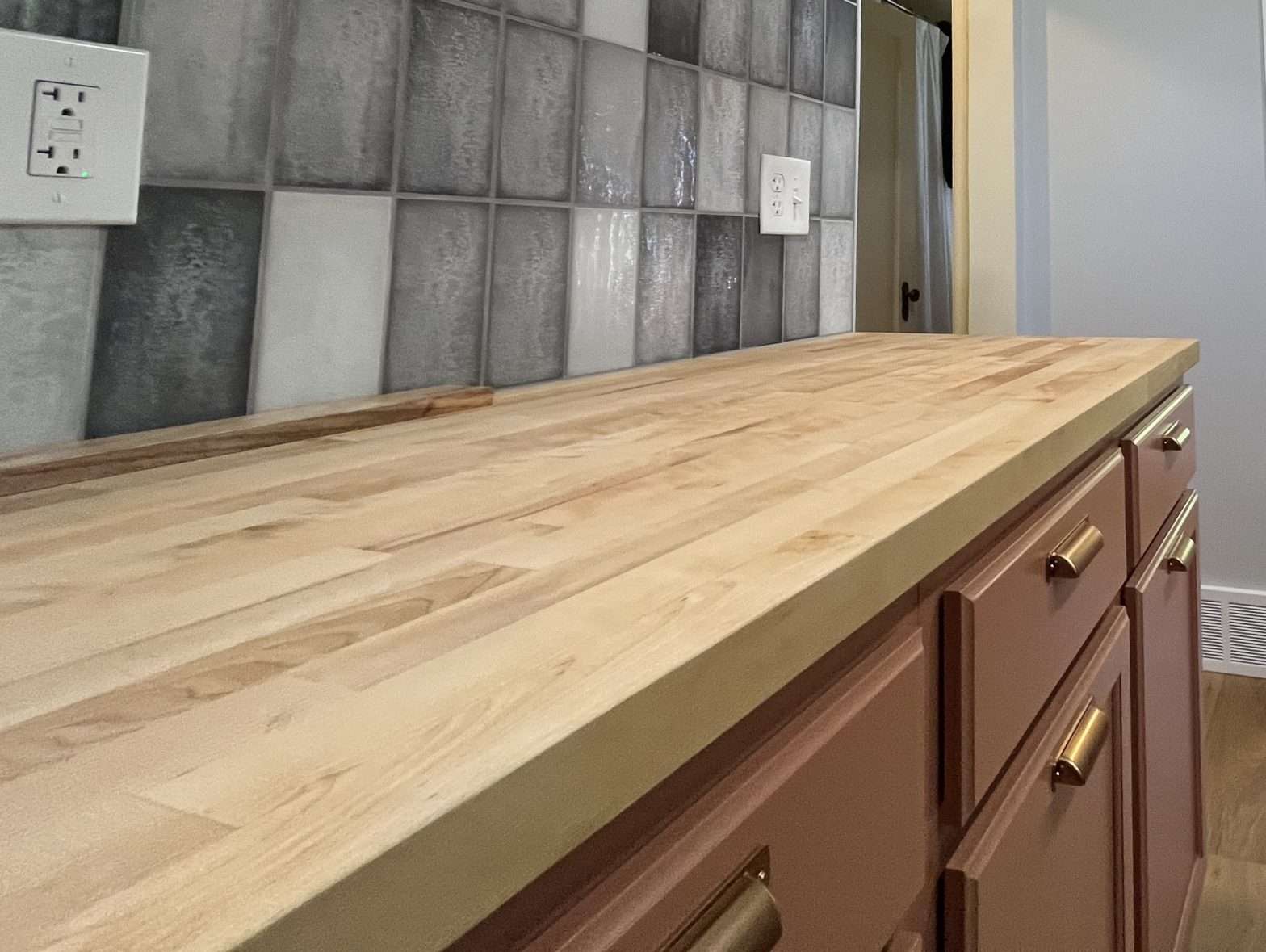
Few countertop materials bring as much warmth and character to a kitchen as butcher block countertops. Made by bonding strips of hardwood together to create a durable work surface, butcher block offers a natural look that stands apart from stone and engineered materials. For homeowners who want their kitchen to feel inviting and lived-in rather than polished and uniform, butcher block can be an appealing option.
Why Homeowners Love Butcher Block
One of butcher block’s biggest advantages is its appearance. The natural grain patterns and rich tones of wood add warmth and texture to a space, making kitchens feel cozy and welcoming. This quality has helped butcher block remain popular across a variety of design styles, from traditional and farmhouse-inspired kitchens to more modern spaces that benefit from a natural accent.

Unlike many countertop materials, butcher block can also be refinished. Minor scratches, dents, and signs of wear can often be sanded out and refreshed rather than requiring replacement. Many homeowners appreciate how the material develops character over time rather than simply showing damage.
Cost can be another advantage. While premium hardwood species and custom installations can be expensive, butcher block is often more affordable than many natural stone and engineered countertop options.
In the Tacoma area, butcher block works particularly well in older Craftsman homes, where the warmth of natural wood can complement original architectural details and help maintain the home’s character during a remodel.
Potential Drawbacks
The same qualities that make butcher block appealing also create some additional maintenance responsibilities.
Unlike quartz, granite, or other non-wood surfaces, butcher block is more vulnerable to moisture. Standing water, prolonged exposure to damp conditions, and neglected spills can eventually lead to staining, warping, or other forms of damage if the surface is not properly maintained.
Butcher block is also softer than most stone and engineered materials, making it more susceptible to scratches, dents, and everyday wear. Some homeowners may enjoy the patina that develops over time, while others prefer surfaces that remain more consistent in appearance.
To keep butcher block looking and performing its best, periodic oiling or sealing is required. This maintenance is not particularly difficult, but it does require more ongoing attention than many alternative countertop materials.
Best Fit For
Butcher block is often a strong choice for:
- Homeowners who appreciate the warmth and character of natural wood
- Kitchens where warmth and character are priorities
- Accent islands paired with other countertop materials
- Craftsman, farmhouse, and traditional-style homes
- Homeowners who don’t mind occasional maintenance
For the right homeowner, butcher block offers something many other countertop materials cannot: a surface that feels genuinely natural, develops character with age, and becomes more distinctive as it is used. In Pacific Northwest homes, however, it performs best when paired with good moisture management and a willingness to keep up with routine maintenance.
Other Popular Kitchen Countertop Options
While quartz, quartzite, granite, and butcher block are the most common choices for kitchen remodels in Tacoma, several other countertop materials may be worth considering depending on your budget, design goals, and maintenance preferences.
Laminate Countertops
Laminate has come a long way from the versions many homeowners remember from decades past. Modern laminate countertops are available in a surprisingly wide range of colors, patterns, and textures, including products that convincingly imitate stone and wood.
The biggest advantage of laminate is affordability. It remains one of the most budget-friendly countertop materials available and can be a smart choice for rental properties, secondary spaces, or homeowners looking to maximize value within a limited remodeling budget.
The tradeoff is durability. Laminate is generally more susceptible to scratches, burns, chips, and water damage than premium countertop materials. While today’s products offer improved appearance and performance, they typically do not provide the same lifespan or long-term durability as stone or quartz.
Solid Surface Countertops
Solid surface countertops, including Corian and similar products, offer a practical middle ground between budget-friendly laminate and premium stone materials. They feature a smooth, seamless appearance and are available in a wide variety of colors and patterns, making them a versatile choice for many kitchen designs.
One of the biggest advantages of solid surface countertops is repairability. Minor scratches and surface damage can often be sanded out, helping the countertop maintain its appearance over time. Integrated sinks and nearly invisible seams also create a clean, continuous look that is difficult to achieve with many other materials.
The tradeoff is durability. Solid surface materials are generally more susceptible to scratches and heat damage than quartz, granite, or quartzite, so they may not be the best choice for kitchens that see heavy daily use. However, homeowners looking for a low-maintenance countertop with a seamless appearance and the ability to be repaired rather than replaced often find solid surface to be an excellent compromise.
Porcelain Countertops
Porcelain countertops have gained popularity in recent years thanks to their combination of durability and design flexibility. The material is highly resistant to heat, scratches, stains, and UV exposure, making it one of the few countertop materials that performs well in both indoor and outdoor environments. Homeowners planning a covered outdoor kitchen may find porcelain particularly attractive due to its resistance to moisture and sun exposure.
Porcelain is also available in a wide range of styles, including products designed to mimic marble, concrete, and natural stone. Its relatively thin profile also creates a sleek, modern appearance that may appeal to certain aesthetics.
The primary drawbacks involve fabrication and repair. Porcelain requires specialized tools and installation techniques, which can increase project complexity and cost. While durable under normal use, significant chips or damage can be difficult to repair seamlessly.
Soapstone Countertops
Soapstone offers a distinctive appearance that develops character over time. Unlike many countertop materials that aim to maintain a consistent appearance, soapstone gradually develops a natural patina that many homeowners find appealing.
The material is naturally resistant to heat and performs well in active kitchens. It also does not require sealing in the same way that other natural stones do. However, some homeowners choose to periodically apply mineral oil to deepen the color and enhance the appearance.
Although it can be easier to maintain, soapstone is softer than granite and quartzite, which means scratches and dents can occur more easily. But for homeowners who appreciate natural materials and don’t mind a countertop that changes over time, those characteristics could be viewed as part of its appeal rather than a drawback.
Marble Countertops
Marble is often associated with luxury kitchens and timeless design. Its dramatic veining and natural variation create a look that few other materials can replicate, making it a favorite among homeowners seeking a high-end aesthetic. Beyond its appearance, marble has long been valued for its naturally cool surface, which many avid bakers find useful for rolling dough and other pastry preparation.
However, the material’s beauty comes with additional maintenance requirements. Marble is more susceptible to staining, scratching, and etching from acidic foods and household products than many other countertop materials. For those reasons, marble is often best suited to homeowners who prioritize aesthetics and are comfortable with a higher level of ongoing care.
Countertop Materials by Cost
Material costs often play a significant role when comparing countertop materials. While pricing varies by manufacturer, product selection, project complexity, and local availability, most countertop options generally fall into three broad categories.
Budget-Friendly Options
Laminate and butcher block are often among the most affordable countertop materials available.
Modern laminate offers a wide range of colors and patterns at a relatively low cost, making it a popular choice for budget-conscious remodels, rental properties, and secondary spaces. Butcher block can also provide good value, particularly when compared to many natural stone and engineered surfaces, while offering a warm, natural appearance that appeals to many homeowners.
Mid-Range Options
Quartz and solid surface countertops often occupy the middle of the pricing spectrum.
Quartz’s durability, low maintenance requirements, and broad design selection have helped make it one of the most popular countertop materials on the market. Solid surface products such as Corian offer a seamless appearance and repairable surface at a price point that often falls between budget and premium materials.
Premium Options
Granite, quartzite, soapstone, and porcelain are frequently considered premium countertop materials.
These products often command higher prices due to material costs, fabrication requirements, installation complexity, or a combination of all three. Homeowners are typically investing in natural beauty, enhanced durability, unique design characteristics, or specialized performance benefits.
It’s important to remember that countertop pricing is influenced by more than the material alone. Edge profiles, slab availability, kitchen size, sink cutouts, installation requirements, and overall project scope can all affect final costs. As a result, two kitchens using the same countertop material may have significantly different price tags.
Quick Countertop Material Comparison Chart
| Material | Cost | Maintenance | Durability | Heat Resistance | Moisture Resistance | Best Use |
| Quartz | Mid-Range | Low | High | Moderate | Excellent | Busy family kitchens, low-maintenance households |
| Quartzite | Premium | Moderate | High | Excellent | Good (when sealed) | High-end kitchens, natural stone enthusiasts |
| Granite | Premium | Moderate | High | Excellent | Good (when sealed) | Frequent cooks, long-term ownership |
| Butcher Block | Budget to Mid-Range | High | Moderate | Low | Low-Moderate | Craftsman homes, accent islands, warm traditional kitchens |
| Porcelain | Premium | Low | High | Excellent | Excellent | Modern kitchens, outdoor kitchens |
| Soapstone | Premium | Moderate | Moderate-High | Excellent | Excellent | Natural-material lovers, character-focused kitchens |
| Solid Surface (Corian) | Mid-Range | Low-Moderate | Moderate | Low-Moderate | Excellent | Seamless designs, moderate-use kitchens |
| Laminate | Budget | Low | Moderate | Low | Moderate | Budget-conscious remodels, rental properties |
| Marble | Premium | High | Moderate | Good | Moderate | Luxury kitchens, baking stations |
Each countertop material offers a different balance of cost, maintenance, durability, and appearance. The best choice depends less on finding a universal winner and more on selecting a surface that fits your household’s budget, lifestyle, and long-term expectations.
Why Countertops and Kitchen Layout Should Be Planned Together
When homeowners compare countertop materials, it’s easy to think of the decision as separate from the overall kitchen design. In reality, countertops and layout usually work hand in hand. The size of the kitchen, how the space is used, and the role different areas play in daily life can all influence which material makes the most sense.
Kitchen islands are a good example. Large islands often serve multiple purposes, functioning as food-preparation areas, dining spaces, homework stations, and gathering places for family and guests. Because they tend to see heavy daily use, many homeowners prioritize durability and low maintenance when selecting materials for these high-traffic surfaces.
Layout can also affect design choices in smaller kitchens. Lighter countertop colors and more consistent patterns can sometimes help compact spaces feel brighter and more open, while darker materials or dramatic veining may have a greater visual impact in larger kitchens with ample natural light.
The way a kitchen functions should also influence material selection. A household that cooks several meals a day may prioritize durability, stain resistance, and ease of cleaning, while homeowners who entertain frequently may place greater emphasis on appearance and visual impact. Open-concept kitchens, where countertops remain visible from adjoining living and dining spaces, often require a balance of both considerations.
Storage and workflow are equally important. Well-designed prep zones, appliance placement, and storage solutions can improve how efficiently a kitchen functions, and countertop materials should support those goals rather than work against them. For example, a highly durable surface may be particularly valuable near primary prep areas, while a secondary workspace or island may offer more flexibility.
For that reason, choosing a countertop material is often most effective when it is considered alongside the overall kitchen layout rather than as a standalone design decision. The most successful kitchen remodels balance appearance, durability, functionality, and workflow to create a space that works well for everyday life.
Common Mistakes When Choosing Countertops
With so many countertop materials available today, it’s easy to focus on the features that stand out most in a showroom or online photo gallery. However, some of the most common countertop regrets stem from overlooking how the material will perform in everyday life.
One of the biggest mistakes homeowners make is choosing a countertop based primarily on appearance. While style certainly matters, a beautiful countertop that doesn’t fit your cooking habits, maintenance preferences, or lifestyle can become frustrating over time. The goal is to find a balance between aesthetics and practicality rather than prioritizing one at the expense of the other.
Maintenance requirements are another factor that is often underestimated. Some materials require little more than routine cleaning, while others benefit from periodic sealing, oiling, or more attentive care. Homeowners who dislike ongoing maintenance may find themselves disappointed if they select a material that requires more upkeep than they expected.
Heat resistance is also worth considering before making a final decision. Countertops vary significantly in how well they tolerate hot cookware and other temperature-related stresses. While using trivets and hot pads is always a good practice, households that cook frequently may benefit from understanding these differences before choosing a material.
Another common mistake is focusing only on how a countertop will look when it is new. Every material ages differently. Some develop a natural patina and character over time, while others are designed to maintain a more consistent appearance. Understanding how a countertop is likely to wear can help prevent surprises years down the road.
It’s also important to consider how the kitchen is used. A material that works well in a vacation home or lightly used kitchen may not be the best fit for a busy household with children, frequent cooking, and daily gatherings. Matching the countertop to the demands of the space is often just as important as selecting the right color or pattern.
Finally, many homeowners focus heavily on upfront cost while overlooking long-term ownership considerations. Maintenance requirements, durability, repairability, and expected lifespan can all affect the overall value of a countertop over time. In some cases, spending more initially may reduce future maintenance or replacement costs, while in others, a more affordable material may be the most practical choice.
Taking the time to evaluate how a countertop will perform over the years, rather than simply how it looks on installation day, can lead to a decision that feels just as satisfying a decade from now as it does when the project is first completed.
What Is the Best Countertop Material for Different Situations?
While there is no single countertop material that is right for every home, certain materials tend to perform particularly well in specific situations. Understanding how you plan to use the space can often make the decision much easier.
Best Kitchen Countertops for Families
For busy households, quartz is often one of the strongest options. Its non-porous surface resists stains, requires very little maintenance, and stands up well to the spills and messes that come with daily family life.
Granite and quartzite can also work well for families who prefer natural stone, though they typically require more maintenance than quartz. The best family-friendly countertops are often those that can handle frequent use without demanding constant attention.
Best Kitchen Countertops for Durability
Homeowners looking for the most durable kitchen countertops often gravitate toward quartzite, granite, porcelain, and quartz.
Quartzite and granite offer excellent resistance to heat and everyday wear, while porcelain provides impressive resistance to scratches, stains, and UV exposure. Quartz remains a popular choice because it balances durability with ease of maintenance.
The best choice often depends on which type of durability matters most, whether that’s scratch resistance, heat resistance, stain resistance, or long-term appearance.
Best Kitchen Countertops for the Money
When homeowners ask about the best kitchen countertops for the money, the answer usually depends on how they define value.
Laminate provides one of the lowest upfront costs and has improved significantly in appearance over the years. Butcher block offers natural character at a relatively accessible price point, while quartz often provides a strong balance of durability, maintenance, and long-term performance.
Rather than focusing solely on purchase price, it can be helpful to consider expected lifespan, maintenance requirements, and how well the material fits your lifestyle.
Best Kitchen Countertops for Rental Property
Rental properties often require a balance between durability, appearance, and affordability.
Laminate remains a common choice because of its low cost and broad design selection. Quartz has also become increasingly popular in higher-end rental properties because it is durable, easy to maintain, and resistant to many common stains.
The ideal choice often depends on the property’s market, expected tenant turnover, and long-term maintenance goals.
Best Countertop Material for Small Kitchens
In smaller kitchens, countertop selection can influence how spacious the room feels.
Lighter colors often help reflect available light and create a brighter, more open appearance. Materials with consistent patterns, such as many quartz products, can also help reduce visual clutter in compact layouts.
While the material itself matters, color, pattern, and overall design frequently have a greater impact on perceived space than the specific countertop product chosen.
Best Countertop Material for Bathroom Projects
Bathroom countertops face a different set of demands than kitchen surfaces. Moisture resistance, ease of cleaning, and long-term durability are often among the most important considerations.
Quartz is a popular choice because its non-porous surface resists moisture and requires very little maintenance. Solid surface materials also perform well in bathrooms due to their seamless appearance and ease of repair. Granite remains a viable option for homeowners who prefer natural stone and are comfortable with occasional sealing.
Because bathroom countertops typically see less heat and heavy wear than kitchen countertops, maintenance requirements and moisture resistance often become the deciding factors.
Best Outdoor Countertop Material
Outdoor kitchens introduce challenges that indoor countertops never face. Sun exposure, moisture, temperature fluctuations, and changing weather conditions can all affect long-term performance.
Porcelain is one of the strongest options for outdoor applications because it resists UV exposure, moisture, stains, and heat. Granite also performs well outdoors and has a long history of use in exterior environments.
Concrete is another possibility, though it typically requires proper installation and ongoing maintenance to minimize cracking and weather-related wear.
One important consideration is that quartz is generally not recommended for many outdoor installations. Prolonged exposure to sunlight can cause some quartz products to discolor or fade over time, making it better suited for indoor kitchen environments.
Choosing the Right Countertops for Your Kitchen Remodel
After comparing the different types of countertop materials, one thing becomes clear: there is no universal answer to the question of what the best countertop material is. Every option comes with its own strengths, tradeoffs, maintenance requirements, and design characteristics.
For some homeowners, the low-maintenance convenience of quartz will be the deciding factor. Others may prefer the natural beauty of granite or quartzite, the warmth of butcher block, or the affordability of laminate. The right choice depends on how the space will be used, how much maintenance you’re comfortable with, and what matters most to you over the long term.
Countertops should do more than look good on installation day. They should support the way your household cooks, gathers, entertains, and lives every day. A material that aligns with your lifestyle will often provide more satisfaction than simply choosing the most popular or expensive option.
Whether you’re planning a complete kitchen remodel or simply exploring countertop options, understanding the strengths and limitations of each material can help you make a more informed decision. Countertop selection is just one piece of the puzzle, and the best results often come from considering how surfaces, storage, layout, lighting, and workflow work together to create a kitchen that functions well for years to come.
To learn more about designing a kitchen that balances appearance, durability, and everyday functionality, explore our Kitchen Remodeling services.