Table of Contents
Choosing the best flooring for your home is about more than simply finding a material you like the look of. Flooring affects the comfort, durability, maintenance, and everyday functionality of each room, making it one of the most important decisions you’ll make during a remodel. With so many kinds of flooring available, it’s important to look beyond appearance and consider how each option will perform over time.
The right flooring material depends on several factors, including how the space is used, your household’s lifestyle, your maintenance expectations, and your budget. A surface that works beautifully in a bedroom may not be the best choice for a busy kitchen, while a durable flooring option for an active family with pets may not offer the warmth or character another homeowner is looking for.
In the Pacific Northwest, it’s also worth keeping local conditions in mind. Rainy weather, muddy shoes, changing seasons, and moisture can all influence how different flooring materials perform, especially in entryways, bathrooms, basements, and other high-traffic areas. Choosing a floor that’s well suited to both your home and your environment can help it look better and last longer.
This guide compares some of the best flooring options available today, from luxury vinyl plank and hardwood to tile, laminate, carpet, and more. Rather than asking what type of flooring is best for every home, it often makes more sense to ask which flooring best supports the way your household lives.
What Matters Most When Choosing New Flooring?
Before comparing the different kinds of flooring available today, it helps to take a step back and think about how each room in your home is actually used. The best flooring for your home isn’t necessarily the material with the highest price tag or the most popular design. It’s the one that performs well and meets the needs of the space where it’s installed.
Start by considering daily wear and tear. A formal dining room that sees occasional use places very different demands on a floor than a kitchen where meals are prepared every day or an entryway that sees muddy boots throughout Tacoma’s rainy season. The amount of foot traffic, the presence of children or pets, and even how often you entertain guests can all influence which flooring material makes the most sense.
Next, think about the environment. Some areas of the home are naturally exposed to more moisture than others, making water resistance an important consideration. Bathrooms, laundry rooms, basements, and kitchens often benefit from flooring that can withstand occasional spills and humidity without compromising long-term performance.
Comfort is another factor that’s easy to overlook until you’ve lived with a floor for several years. If you spend long periods cooking in the kitchen, playing with children in the family room, or working in a home office, the feel of the flooring underfoot may be just as important as its appearance. Likewise, if noise reduction is a priority, softer flooring materials can help create a quieter living environment.
Budget is another important consideration, but it shouldn’t be based solely on the initial price of the flooring material. Looking at the project as a whole often provides a more accurate picture of its long-term value. Some flooring materials cost more upfront but last for decades with proper care, while others offer a lower initial investment but may need to be replaced sooner depending on how they’re used. Considering installation, maintenance requirements, repairability, and expected lifespan often provides a clearer picture of overall value.
Finally, don’t forget that flooring should complement the character of your home. Many Tacoma houses, particularly older Craftsman and mid-century homes, have architectural features that pair especially well with certain flooring styles and materials. Choosing a floor that works with your home’s existing character can create a more cohesive and timeless result.
As you compare the best flooring options, remember that every material involves tradeoffs. Rather than searching for a single “best” flooring material, focus on finding the one that offers the right balance of durability, comfort, appearance, and value for the specific space you’re updating.
Luxury Vinyl Plank (LVP):
Why It’s Become a Go-To Flooring Choice
Over the past decade, luxury vinyl plank (LVP) flooring has become one of the most popular flooring materials on the market, and for good reason. It offers a combination of durability, moisture resistance, comfort, and design flexibility that appeals to a wide variety of homeowners. While no flooring material is perfect for every situation, LVP comes closer than many alternatives because it performs well in so many different areas of the home.
Advantages
One of its biggest advantages is its ability to realistically mimic the appearance of hardwood while requiring far less maintenance. Advances in manufacturing have produced embossed textures, wider planks, and highly detailed wood-grain patterns that can be difficult to distinguish from real wood at first glance. Homeowners who appreciate the look of hardwood but want a more practical surface often find LVP to be an attractive alternative.
Many waterproof vinyl flooring products also perform exceptionally well in areas where moisture is a concern. Kitchens, bathrooms, laundry rooms, mudrooms, and finished basements can all benefit from this flooring material that is designed to handle occasional spills, wet shoes, and everyday messes without the same concerns associated with traditional hardwood.
LVP is also comfortable to live with. Compared to tile or stone, it generally feels warmer underfoot and provides a slight amount of cushioning that many homeowners appreciate during everyday activities like cooking or cleaning. Its durable wear layer also helps resist scratches and everyday wear, making it a practical choice for active households.

Potential Drawbacks
Despite its versatility, LVP flooring isn’t without its limitations. Heavy furniture or sharp impacts can sometimes leave dents or permanent impressions, particularly on lower-quality products with thinner wear layers.
Unlike hardwood, LVP also cannot be sanded and refinished if it becomes significantly damaged. Individual planks can often be replaced when necessary, but extensive wear or widespread damage typically requires replacing the affected flooring rather than restoring it.
Quality is another important consideration. Luxury vinyl plank products vary considerably, and less expensive options may not offer the same level of durability, realistic appearance, or long-term performance as higher-quality materials. Comparing wear layer thickness, core construction, and manufacturer warranties can help homeowners make a more informed decision.
Best Fit For
LVP is often an excellent choice for:
- Busy families with children
- Homes with dogs and other pets
- Kitchens and dining areas
- Bathrooms and laundry rooms
- Finished basements
- Whole-home flooring where a consistent look is desired
In the Tacoma area, LVP has become especially popular because it holds up well to many of the challenges that come with Pacific Northwest living. Wet weather, muddy shoes, and active households all place additional demands on flooring, making a durable, water-resistant surface an appealing choice for many homeowners.
Hardwood Flooring:
Timeless Beauty That Lasts
While new flooring materials continue to evolve, solid hardwood remains one of the most sought-after choices for homeowners who value authenticity and long-term performance. Rather than trying to imitate wood, hardwood is the real thing, offering natural grain patterns, color variation, and character that simply can’t be replicated exactly by manufactured products.
Advantages
One of hardwood’s greatest strengths is its longevity. With proper care, a quality hardwood floor can last for generations. Unlike many other flooring materials, solid hardwood can often be sanded and refinished multiple times, allowing homeowners to remove years of scratches and wear without replacing the floor itself. That ability to restore rather than replace is one reason hardwood continues to be viewed as a long-term investment.

Many homeowners also appreciate the way hardwood changes over time. Instead of simply wearing out, quality wood flooring often develops additional character as it ages. Depending on the species and finish, subtle changes in color and patina can give the floor a natural, lived-in appearance that many people find appealing.
Hardwood also remains one of the most desirable features for prospective buyers. While no flooring material guarantees a higher resale price, real wood flooring continues to be associated with quality craftsmanship and timeless design, making it a feature that many buyers value when comparing homes.
Potential Drawbacks
The advantages associated with hardwood flooring do come with a few tradeoffs. It is generally more susceptible to moisture than many newer flooring materials, making it less suitable for areas that experience frequent spills, standing water, or high humidity. For that reason, it isn’t generally the best choice for bathrooms, laundry rooms, or some basements. Because solid hardwood naturally expands and contracts as humidity levels change throughout the year, proper installation and allowing room for seasonal movement are also important for long-term performance.
Like any natural wood product, hardwood is also vulnerable to scratches and dents. Pets with large claws, moving furniture, and everyday wear can all leave visible marks over time. Fortunately, many of these imperfections can be refreshed during refinishing, but homeowners should still expect natural wood to acquire signs of use throughout its life.
Cost is another consideration. Hardwood typically requires a higher upfront investment than materials like laminate or LVP, and periodic refinishing may eventually be needed to keep the floor looking its best. For many homeowners, however, those additional costs are offset by the floor’s exceptional lifespan and ability to be renewed rather than replaced.
Best Fit For
Hardwood flooring is often an excellent choice for:
- Living rooms and family rooms
- Dining rooms
- Bedrooms
- Home offices
- Homeowners planning to stay in their home for many years
- Older Craftsman and traditional-style homes
Throughout Tacoma, solid hardwood remains a natural fit for many historic Craftsman homes, where it complements original trim, millwork, and architectural details while helping preserve the character that makes these homes so distinctive.
Engineered Hardwood:
Real Wood with Greater Stability
At first glance, engineered hardwood and solid hardwood can look nearly identical. Both feature a genuine hardwood surface, allowing homeowners to enjoy the warmth, texture, and natural variation that make wood flooring so desirable. The difference lies beneath the surface.
One reason engineered hardwood was developed was to reduce the seasonal movement that naturally occurs in solid wood flooring. Rather than being milled from a single piece of wood, engineered hardwood is constructed from multiple layers. A real hardwood veneer is bonded to a stable plywood or high-density core, creating a floor that is less susceptible to seasonal expansion and contraction caused by changes in humidity. That added stability makes engineered hardwood a practical option in situations where solid hardwood may be more susceptible to movement.
Advantages
For many homeowners, engineered hardwood offers an appealing balance between authenticity and practicality. Because the visible surface is real wood, it provides much of the same character and natural beauty as solid hardwood, with the added bonus of greater dimensional stability in changing conditions.
This improved stability also allows engineered hardwood to be installed in a wider variety of locations. Depending on the product and manufacturer, it may be suitable for installation over concrete slabs, radiant heating systems, or below-grade spaces where traditional hardwood is often less practical. That flexibility can make it an attractive option during remodels where installation conditions vary from room to room.
Potential Drawbacks
Unlike solid hardwood, the refinishing potential of engineered hardwood depends on the thickness of its hardwood veneer. Some premium products can be refinished more than once, while others are intended to retain their original factory finish throughout their lifespan.
Cost is another consideration. While engineered hardwood is often less expensive than high-end solid hardwood, it generally costs more than flooring materials such as luxury vinyl plank or laminate. Homeowners should weigh that additional investment against the benefits of having a genuine wood surface and greater installation flexibility.
Best Fit For
Engineered hardwood is often an excellent choice for:
- Homeowners who want the appearance of real wood with fewer moisture-related concerns
- Whole-home flooring projects with connected living spaces
- Homeowners seeking greater installation flexibility than solid hardwood offers
- Households looking for a balance between natural beauty and long-term practicality
For many Tacoma homeowners, engineered hardwood provides a practical middle ground between the timeless appeal of solid hardwood and the everyday versatility demanded by modern living. It’s often an excellent option for those who appreciate the look of real wood but want a floor that’s better equipped to handle the seasonal changes and varied installation conditions found throughout the Pacific Northwest.
Tile Flooring:
Built for Moisture and Heavy Use
While some flooring materials are designed to work almost anywhere in the home, tile shines in spaces where moisture, durability, and easy maintenance matter most. Ceramic, porcelain, and natural stone tile have been trusted flooring materials for decades because they hold up exceptionally well to daily wear while offering nearly endless design possibilities.
One of tile’s greatest strengths is its versatility. Beyond flooring, many of the same materials can also be used for shower surrounds, bathtub surrounds, backsplashes, fireplace surrounds, and accent walls, creating a cohesive look throughout a remodeled space. Whether you’re updating a bathroom, refreshing a kitchen, or finishing a basement, tile offers design flexibility that few other materials can match.
Learn more about our full range of tiling services ->
Advantages
Tile is one of the most durable flooring materials available. When properly installed, ceramic and porcelain tile resist water, stains, scratches, and everyday wear, making them excellent choices for rooms that experience heavy traffic or frequent moisture exposure. Natural stone offers many of these same benefits while adding the unique character and variation that only genuine stone can provide.
Tile is also exceptionally easy to clean. Most spills can be wiped away with routine maintenance, and unlike wood-based flooring products, tile won’t swell or warp when exposed to occasional moisture. It also performs exceptionally well with radiant floor heating system so that homeowners can enjoy the durability of tile without the sometimes unpleasantly cool surface that is sometimes associated with it.
Potential Drawbacks
Despite its many advantages, tile isn’t the ideal flooring material for every room. Its hard surface can be less forgiving underfoot than materials like luxury vinyl plank or hardwood, particularly in kitchens where homeowners spend long periods standing while cooking or entertaining.
Without radiant heating, tile may also feel cool during the winter months, especially in Pacific Northwest homes where temperatures remain mild but damp throughout much of the year. Grout lines require periodic cleaning and, depending on the product, may also benefit from sealing to help resist staining and moisture.
Installation is another consideration. Achieving a long-lasting tile floor depends not only on the tile itself, but also on proper subfloor preparation, layout planning, and installation techniques. A well-installed tile floor can last for decades, while shortcuts during installation can lead to cracked grout, loose tiles, or uneven surfaces over time.
Tile can also vary significantly in overall cost. Material prices range from economical ceramic tile to premium porcelain and natural stone, while tile size, layout patterns, decorative borders, and the complexity of the installation can all influence the final project cost. The same considerations apply whether tile is installed on a floor, shower surround, backsplash, or another surface.
Best Fit For
Tile flooring is often an excellent choice for:
- Bathrooms
- Laundry rooms
- Mudrooms
- Entryways
- Kitchens
- Covered outdoor living spaces
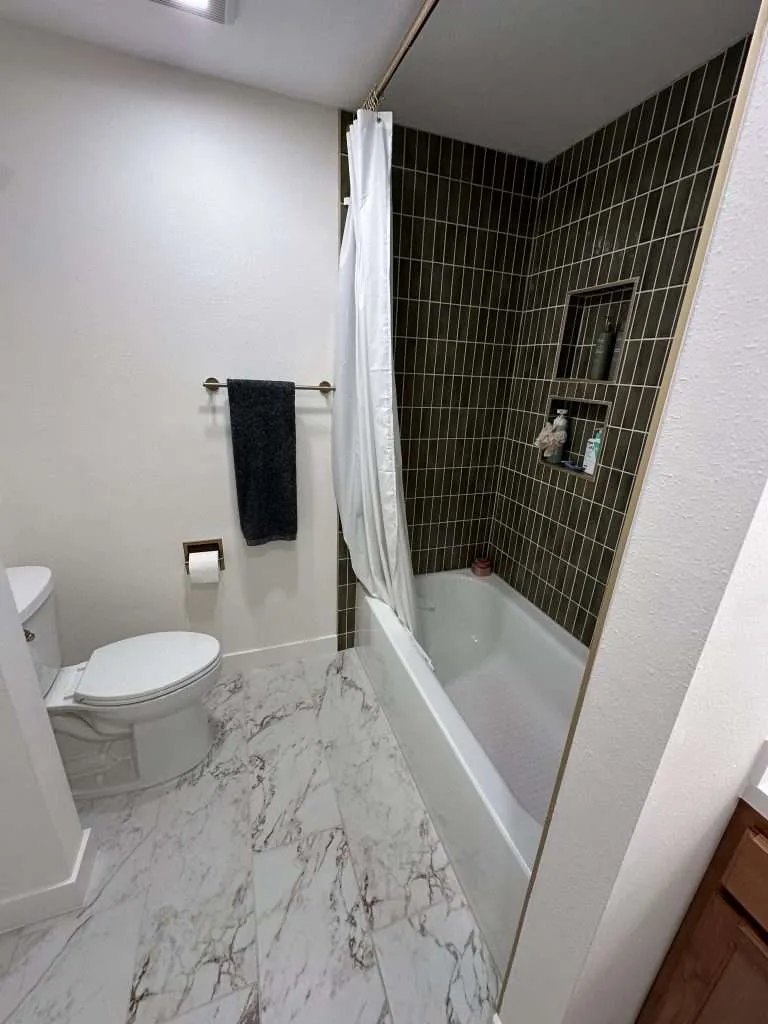
For many Tacoma homeowners, tile is especially well suited to the areas of the home that see the greatest exposure to moisture and everyday wear. Its ability to transition seamlessly from floors to backsplashes, shower walls, and other tiled surfaces also makes it a popular choice for homeowners looking to create a cohesive, long-lasting design throughout a remodel.
Laminate Flooring:
Affordable, Attractive, and Better Than Many People Remember
Laminate flooring has come a long way over the past couple of decades. While many homeowners still associate it with the glossy, artificial-looking products of years past, today’s laminate flooring offers far more realistic wood and stone visuals, improved textures, and significantly better durability. For homeowners looking to update their floors without the cost of hardwood, laminate remains one of the most practical home flooring options available.
Unlike luxury vinyl plank, laminate flooring is made with a high-density fiberboard (HDF) core topped with a photographic image layer and a durable protective wear layer. This construction gives laminate its realistic appearance and scratch resistance, but it also means the core can be more susceptible to moisture if water penetrates the surface or reaches the seams.
Advantages
One of laminate’s biggest advantages is its value. Modern manufacturing techniques allow many products to closely replicate the appearance of hardwood at a much lower price point, making laminate an appealing choice for larger remodels or projects where budget is an important consideration. Many products also feature durable wear layers that resist scratches, fading, and everyday wear better than many homeowners expect.
Laminate is also relatively easy to maintain. Routine sweeping and occasional damp mopping are generally all that’s needed to keep the floor looking its best, making it a popular option for bedrooms, living spaces, and other areas that don’t experience frequent moisture exposure.
Potential Drawbacks
Despite its improvements, laminate flooring still has limitations. Unlike luxury vinyl plank, most laminate products are not designed to withstand standing water. While many newer products offer improved water resistance, prolonged moisture exposure can still cause swelling or damage if spills are left unattended.
Laminate also cannot be sanded and refinished like hardwood. Once the decorative surface becomes significantly worn or damaged, the affected flooring typically needs to be replaced rather than restored. As with many flooring materials, quality varies considerably between manufacturers, so investing in a well-made product often results in better long-term performance.
Best Fit For
Laminate flooring is often an excellent choice for:
- Bedrooms
- Living rooms
- Home offices
- Rental properties
- Budget-conscious remodels
- Homeowners looking for the appearance of wood without the cost of hardwood
For many homeowners, laminate strikes a comfortable balance between appearance, durability, and affordability. It may not offer the longevity of hardwood or the moisture resistance of luxury vinyl plank, but in the right rooms and under the right conditions, it can provide years of attractive, reliable performance.
Carpet: Where Comfort Still Wins
Although hard surface flooring has become increasingly popular throughout much of the home, carpet continues to offer advantages that are difficult to replicate with other flooring materials. Warm, soft, and naturally quiet underfoot, it creates a level of comfort that many homeowners still prefer in spaces designed for rest and relaxation.
Advantages
Two of carpet’s biggest advantages are the comfort and acoustics benefits it brings to a home. It naturally absorbs sound, helping reduce echoes within a room while also minimizing noise between floors in multi-story homes. For households with young children, it provides a softer surface for play, while many homeowners simply appreciate the added comfort it offers in bedrooms, family rooms, and other spaces where people spend time relaxing.
Today’s carpets are also available in a wide variety of colors, textures, and fiber types. From plush, luxurious styles to durable low-pile options designed for higher traffic, homeowners have far more choices than simply selecting a color. Advances in stain-resistant fibers have also improved carpet’s performance in many everyday living situations.
Potential Drawbacks
Despite its comfort, carpet requires more routine maintenance than most hard surface flooring. Dirt, dust, pet hair, and allergens can become trapped within the fibers, making regular vacuuming and periodic professional cleaning important for maintaining its appearance and indoor air quality.
Carpet is also more vulnerable to stains and moisture than many other flooring materials. Spills should be cleaned promptly, and prolonged moisture exposure can lead to odors, mold, or mildew if not addressed properly. For that reason, carpet is generally not recommended for bathrooms, laundry rooms, or other areas where water exposure is common.
Best Fit For
Carpet is often an excellent choice for:
- Bedrooms
- Upstairs living spaces
- Family rooms
- Playrooms
- Home theaters
Rather than using carpet throughout an entire home, many Tacoma homeowners find that it works best when paired with hard surface flooring in high-traffic or moisture-prone areas. Combining materials in this way allows each room to benefit from the flooring that best suits how the space is used, creating a home that feels both practical and comfortable.
Other Flooring Options Worth Considering
While luxury vinyl plank, hardwood, tile, laminate, and carpet account for many residential flooring projects, they aren’t the only choices available. Depending on your priorities, there are several other flooring materials that may be worth considering, including options that emphasize sustainability, unique aesthetics, or specialized performance characteristics.
Cork Flooring
For homeowners interested in renewable flooring materials, cork offers a unique combination of comfort, insulation, and sustainability. Harvested from the bark of cork oak trees without cutting down the tree itself, it provides a naturally renewable flooring option that feels soft underfoot and helps reduce noise between rooms. Cork also has natural insulating properties, making it comfortable to walk on throughout the year. However, it requires protection from excessive moisture and heavy furniture, making it better suited to living rooms, bedrooms, and home offices than bathrooms or laundry rooms, where moisture exposure is more common.
Bamboo Flooring
Bamboo has gained popularity among homeowners looking for an environmentally conscious alternative to traditional hardwood. It offers a clean, contemporary appearance while providing durability comparable to some hardwood species. That said, not all bamboo flooring is created equal. Product quality varies significantly between manufacturers, so it’s important to choose a well-made product if long-term performance is a priority.
Sheet Vinyl Flooring
Although it doesn’t receive as much attention as luxury vinyl plank, sheet vinyl remains a practical solution for certain applications. It’s affordable, waterproof, and available in a wide range of patterns, making it a functional choice for laundry rooms, utility spaces, and budget-conscious remodeling projects where performance is more important than premium aesthetics.
Natural Stone Flooring
Materials such as slate, travertine, limestone, and marble create a distinctive, high-end appearance that few other flooring materials can match. Natural stone is exceptionally durable and, when properly maintained, can last for decades. The tradeoff is that it typically requires a higher investment, additional maintenance, and professional installation due to its weight and specialized installation requirements.
Polished Concrete
While polished concrete has become increasingly popular in contemporary homes and modern commercial spaces, it remains less common in Tacoma-area residences. It offers outstanding durability, low maintenance, and a clean, minimalist appearance, but its firm surface and industrial aesthetic aren’t the right fit for every home. It’s most often found in modern new construction, home gyms, workshops, and select basement renovations.
Sustainability Considerations
For homeowners who prioritize environmentally conscious remodeling, flooring material is only one part of the equation. Renewable options like cork and bamboo, reclaimed hardwood, and responsibly sourced wood products can all help reduce environmental impact. At the same time, durability and longevity are important sustainability considerations as well. Choosing a quality floor that performs well for decades often has a greater long-term environmental benefit than selecting a material that requires replacement every few years.
Flooring Materials by Cost
When comparing flooring materials, it’s natural to start by looking at price. However, the cost of a new floor is influenced by much more than the material itself. Installation requirements, room size, subfloor condition, demolition, trim work, and transitions between rooms can all have a significant impact on the overall cost of a project.
For example, installing flooring over a damaged or uneven subfloor may require repairs before the new material can be installed properly. Moisture barriers, underlayment, staircases, custom layouts, and intricate tile patterns can also increase installation time and labor. While these additional steps may raise the initial investment, they often help ensure the finished floor performs as intended for years to come.
With that in mind, the following categories provide a general comparison of where common flooring materials typically fall. Actual costs will vary depending on the specific product, installation requirements, and the scope of your project.
Budget-Friendly Flooring Options
These flooring materials typically offer the lowest upfront cost while still providing reliable performance in the right applications.
- Sheet vinyl
- Laminate
- Carpet
Mid-Range Flooring Options
These materials often provide an excellent balance between cost, durability, appearance, and long-term value.
- Luxury vinyl plank (LVP)
- Engineered hardwood
Premium Flooring Options
These flooring materials generally require a larger initial investment but offer premium aesthetics, exceptional longevity, or both.
- Solid hardwood
- Tile
- Natural stone
No matter which flooring material you choose, it’s important to evaluate the project as a whole rather than focusing solely on the price of the flooring itself. Proper preparation and quality installation often have just as much influence on long-term performance as the material you select.
It’s also worth remembering that the least expensive flooring material doesn’t always result in the lowest overall project cost, just as the most expensive material doesn’t automatically create the highest investment. Room size, demolition, subfloor repairs, moisture mitigation, floor leveling, trim work, and installation complexity can all influence the final price. Considering all of these factors together often provides a more accurate picture than comparing material costs alone.
The comparison below offers a quick overview of today’s most common flooring materials across several important factors, including cost, durability, maintenance, and moisture resistance.
| Flooring Material | Typical Cost Range | Durability | Moisture Resistance | Maintenance | Typical Lifespan* |
| Luxury Vinyl Plank | $$ | High | Excellent | Low | High |
| Hardwood | $$$ | High | Fair | Moderate | Very High |
| Engineered Hardwood | $$-$$$ | High | Good | Moderate | High |
| Tile | $$$ | Very High | Excellent | Low-Moderate | Very High |
| Laminate | $ | Moderate-High | Fair-Good | Low | Moderate |
| Carpet | $-$$ | Moderate | Poor | High | Moderate |
| Cork | $$ | Moderate | Fair | Moderate | Moderate |
| Bamboo | $$-$$$ | Moderate-High | Fair | Moderate | High |
| Sheet Vinyl | $ | Moderate | Excellent | Low | Moderate |
| Natural Stone | $$$$ | Very High | Excellent | Moderate | Very High |
*With proper installation and maintenance.
Download a printable PDF version of this chart.
Why Floor Preparation Matters as Much as the Flooring Itself
Choosing the right flooring material is only part of the process. Even the highest-quality floor can develop problems if it’s installed over an uneven, damaged, or improperly prepared subfloor. Taking the time to address issues before installation helps create a finished floor that not only looks better on day one but also continues to perform well for years to come.
Preparation often begins with evaluating the existing subfloor. Uneven areas may need to be leveled, damaged sections replaced, and loose panels securely fastened to eliminate squeaks and movement before new flooring is installed. While these repairs aren’t visible once the project is complete, they provide the stable foundation needed for the actual floors to perform as intended.
Moisture is another important consideration, particularly in Pacific Northwest homes. Before installing new flooring in basements, bathrooms, laundry rooms, or on concrete slabs, it’s often advisable to test for excessive moisture and determine whether a moisture barrier or underlayment is needed. Addressing these conditions beforehand can help reduce the risk of issues such as swelling, mold, adhesive failure, or premature wear.

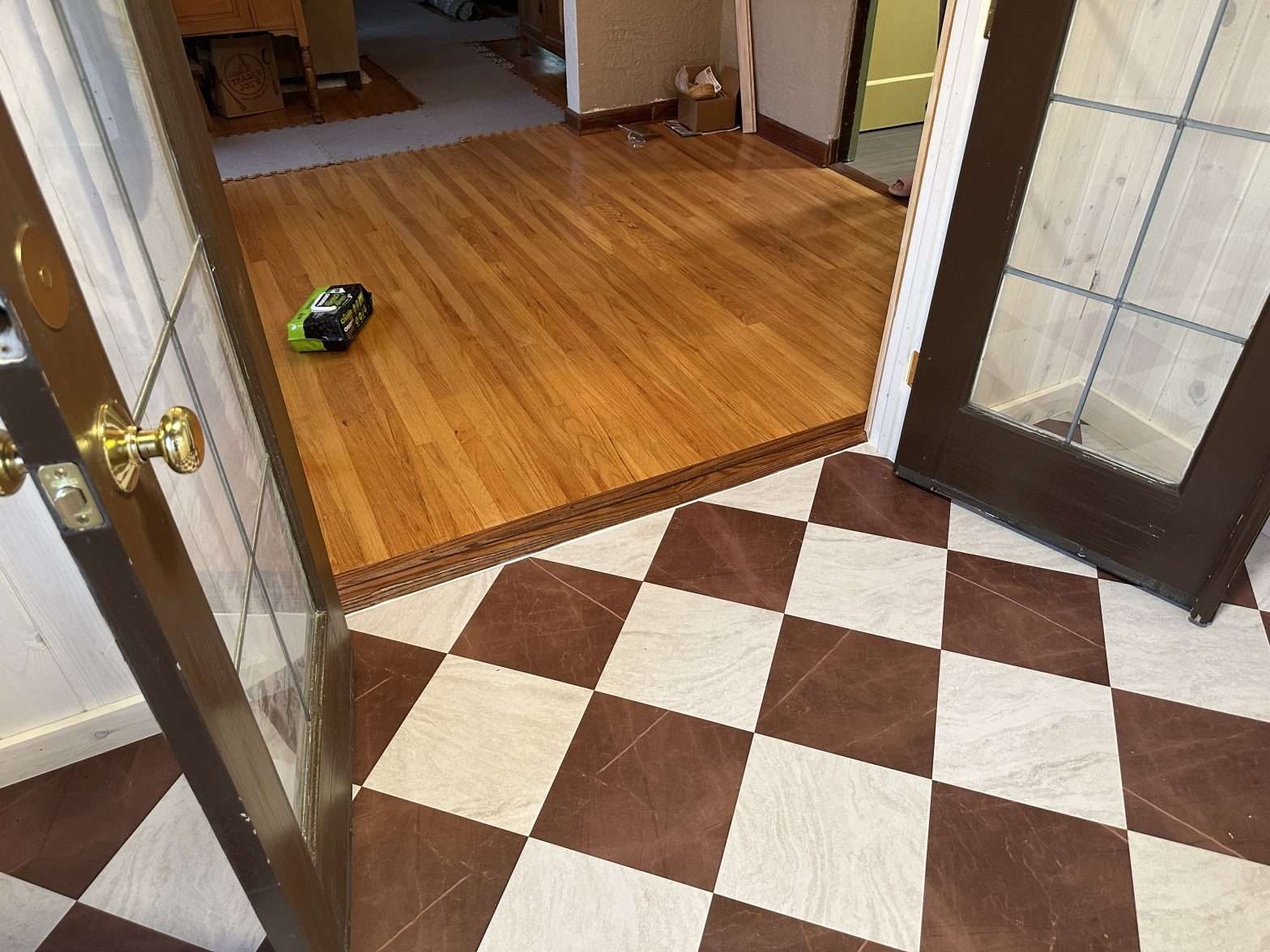
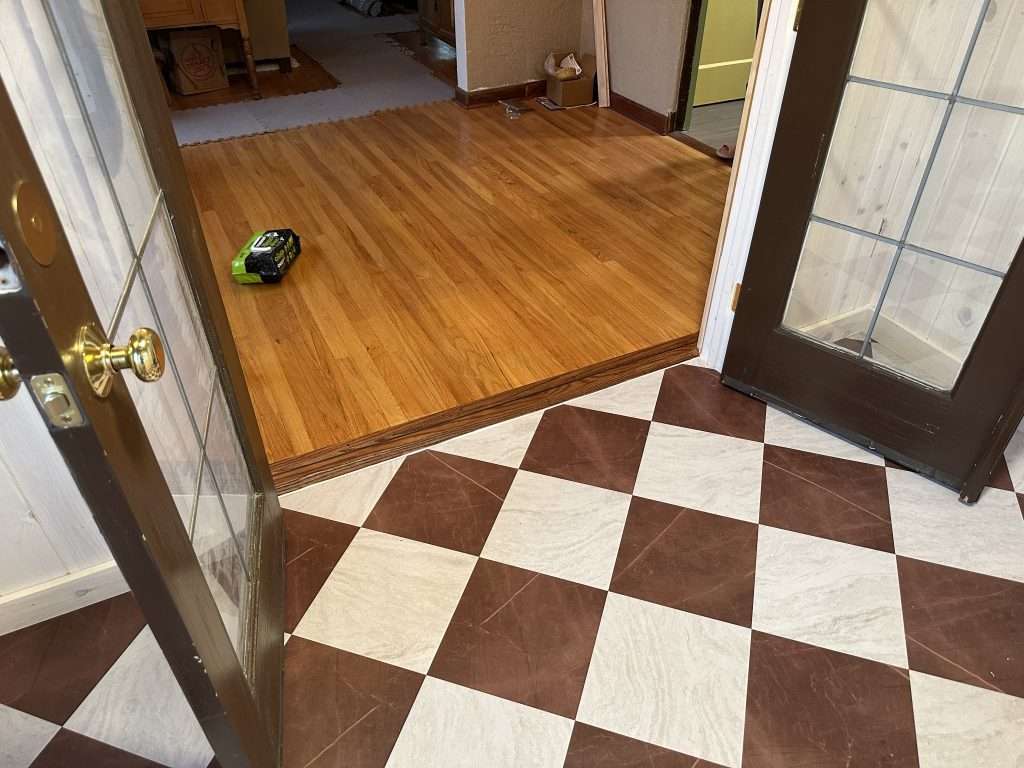
Floor transitions deserve attention as well. Changing from one flooring material to another, such as hardwood to tile or carpet to luxury vinyl plank, often requires thoughtful planning to create safe, smooth transitions between rooms. Door clearances, appliance heights, cabinetry, and trim may also need to be considered so the finished floor integrates seamlessly with the rest of the home.
In many remodeling projects, preparation also includes removing existing flooring and evaluating what’s underneath. Older homes around Tacoma sometimes reveal hidden water damage, deteriorated subfloors, or previous repairs that need to be addressed before new materials are installed. While uncovering these issues can add time to a project, correcting them before installation helps prevent more costly problems later.
A well-prepared subfloor rarely receives much attention once the project is complete, but it plays a significant role in the longevity, appearance, and performance of your new flooring. Investing in proper preparation from the beginning helps ensure your finished floor performs the way it was designed to for many years to come.
What Flooring Works Best in Each Room?
Every room in your home places different demands on its flooring. A bathroom has very different performance requirements than a bedroom, just as an entryway experiences different wear than a formal living room. While there is rarely a single “correct” answer, understanding how each space is used can help narrow your options and make choosing the right flooring much easier.
Best Flooring for Kitchens
Kitchens experience some of the highest traffic in the home while also being exposed to spills, dropped utensils, and frequent cleaning. Flooring in this space should balance durability, moisture resistance, and comfort, especially if you spend a lot of time cooking.
Luxury vinyl plank and tile are often among the best flooring options for kitchens because they handle moisture well and stand up to everyday wear. Hardwood also remains a popular choice in open-concept homes where maintaining a consistent look throughout the main living areas is a priority, though it requires more attention to spills and moisture.
Best Flooring for Bathrooms
Bathrooms present one of the most demanding environments for flooring due to constant humidity and frequent water exposure. Waterproof materials generally perform best here.
Porcelain and ceramic tile continue to be the most common choices because they offer exceptional durability and moisture resistance. Luxury vinyl plank has also become increasingly popular for homeowners who prefer a warmer feel underfoot while still benefiting from excellent water resistance.
Best Flooring for Basements
Finished basements often require flooring that can tolerate changing moisture conditions better than upper levels of the home.
Luxury vinyl plank is one of the strongest choices because many products are waterproof and perform well in below-grade spaces where moisture may be a greater consideration. Tile can also work well in appropriate situations, particularly when paired with radiant floor heating. Carpet is sometimes used in finished family rooms, though homeowners should first ensure any moisture concerns have been properly addressed.
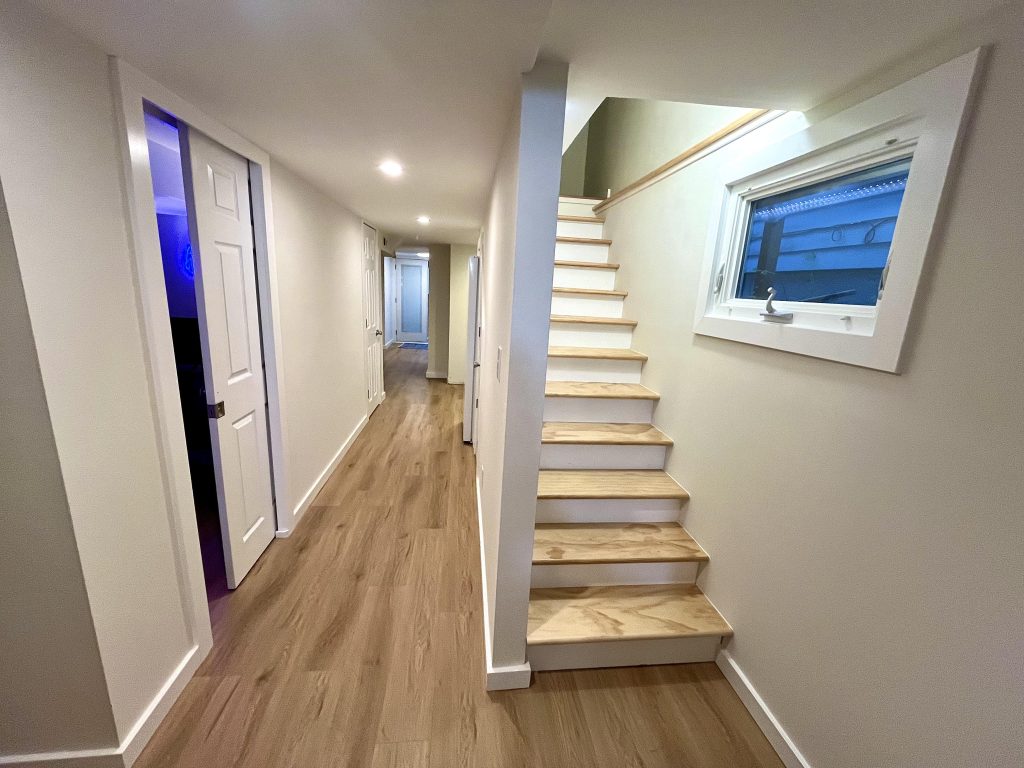
Best Flooring for Living Rooms
Living rooms often place greater emphasis on comfort, appearance, and long-term durability than moisture resistance.
Hardwood continues to be a favorite because of its timeless character and ability to complement a wide range of architectural styles. Engineered hardwood, luxury vinyl plank, laminate, and carpet can also be excellent choices depending on the home’s design and how the space is used.
Best Flooring for Bedrooms
Comfort is often the highest priority in bedrooms. Bedrooms also tend to experience less moisture and lower foot traffic than many other areas of the home, giving homeowners greater flexibility to prioritize comfort and appearance over maximum durability.
Carpet remains a popular choice for its warmth, softness, and ability to reduce noise, while hardwood and engineered hardwood offer a timeless appearance that’s well suited to spaces with lighter everyday wear. Luxury vinyl plank has also become increasingly common in bedrooms, particularly for homeowners who prefer consistent flooring throughout the home. Laminate is another practical option, offering the appearance of hardwood at a lower cost while performing well in rooms where moisture exposure is typically minimal.
Best Flooring for Laundry Rooms
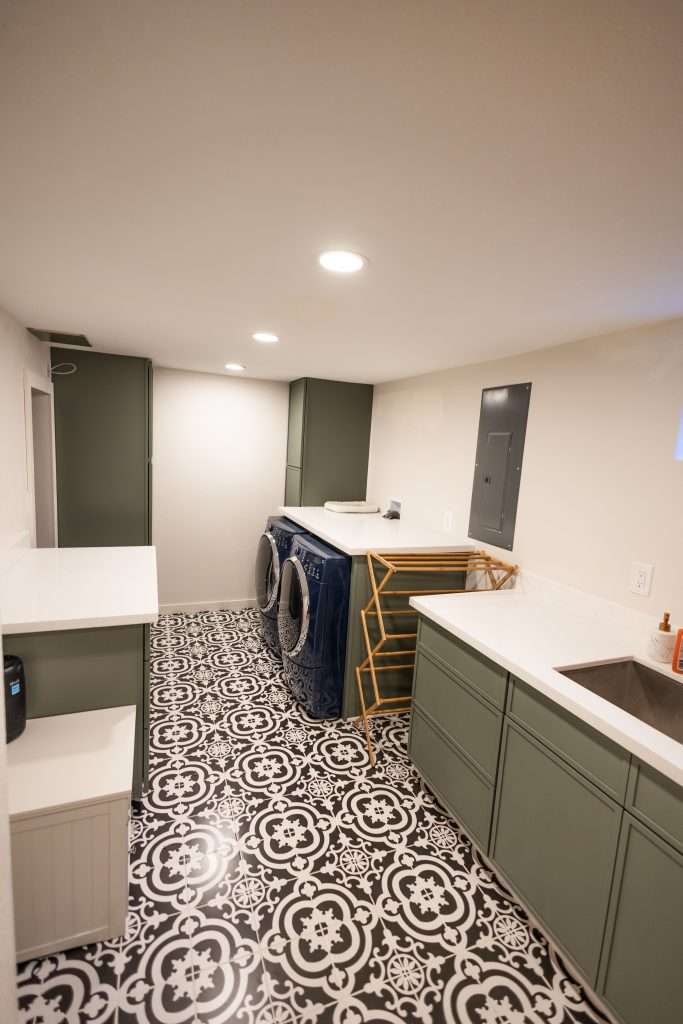
Similar to bathrooms, laundry rooms experience occasional water leaks, heavy appliances, and frequent foot traffic. Waterproof flooring materials such as tile and luxury vinyl plank are often the most practical choices because they stand up well to moisture while remaining easy to clean.
Best Flooring for Entryways
Entryways are the first line of defense against rain, dirt, mud, and debris, making durability and moisture resistance especially important. In Tacoma’s rainy climate, flooring near exterior doors often experiences more wear than almost anywhere else in the home, as wet shoes and outdoor debris are tracked inside throughout much of the year.
Tile and luxury vinyl plank are both well suited to these conditions because they’re easy to clean, resist moisture well, and stand up to the repeated foot traffic common in entryways. Choosing a durable flooring material here also helps create a practical transition between the outdoors and the rest of the home, allowing dirt and moisture to be contained in a space that’s designed to handle them while helping protect the flooring in adjacent rooms.
Best Flooring for Stairs
Stairs require flooring that provides durability while also offering good traction and a finished appearance.
Carpet remains a common choice because it helps reduce noise and provides additional grip underfoot. Hardwood creates a classic look that can complement many homes, while luxury vinyl plank is becoming increasingly popular when installed with stair-specific components designed for safety and durability.
No matter which room you’re updating, it’s worth considering how the flooring will connect to adjacent spaces and support the way your home functions as a whole. Looking beyond individual rooms often results in a more cohesive design and a flooring plan that continues to work well as your needs evolve.
What Flooring Is Best for Different Lifestyles?
The way you use your home can be just as important as the room itself when choosing new flooring. A growing family, multiple pets, frequent entertaining, or plans to age in place all place different demands on your floors. Thinking about your lifestyle before making a decision can help you choose a flooring material that continues to perform well long after installation.
Families with Children
Homes with young children often benefit from flooring that balances durability, comfort, and easy maintenance. Toys, spills, dropped objects, and everyday activity can quickly test the performance of a floor.
Luxury vinyl plank is a popular choice because it resists scratches and moisture while providing a slightly softer feel than tile. Carpet also remains a favorite for bedrooms and playrooms, where comfort and noise reduction are often priorities. For many families, a combination of hard surface flooring in high-traffic areas and carpet in bedrooms offers the best balance of practicality and comfort.
Pet Owners
Dogs and other pets introduce unique challenges, including muddy paws, water bowls, accidents, and nails that can scratch certain flooring materials.
Luxury vinyl plank and tile are often among the best flooring options for homes with dogs because they’re durable, moisture resistant, and easy to clean. Hardwood can certainly work in pet-friendly homes, but homeowners should expect some wear over time and choose harder wood species if scratches are a concern. Rugs and runners can also help protect high-traffic areas while adding comfort for both pets and people.
Busy Households
Some homes simply experience constant activity. Between work, school, hobbies, entertaining, and everyday life, flooring often needs to prioritize performance over perfection.
Materials that require minimal maintenance, such as luxury vinyl plank, tile, and some laminate products, allow homeowners to spend less time worrying about upkeep and more time enjoying their homes. Choosing flooring that’s easy to clean and resistant to everyday wear can make a noticeable difference in busy households.
Older Adults
For homeowners planning to remain in their homes for many years, comfort, accessibility, and safety often become increasingly important.
Smooth transitions between rooms can help reduce trip hazards, while slip-resistant flooring may provide additional peace of mind in moisture-prone areas. Softer flooring materials can also improve comfort when standing for longer periods, while minimizing abrupt changes in floor height can make movement throughout the home easier for those using walkers or other mobility aids.
Rental Properties
Rental homes typically benefit from flooring that balances durability, appearance, and ease of maintenance. Luxury vinyl plank has become especially popular because it stands up well to tenant turnover while maintaining an attractive appearance. Laminate can also be a practical choice in lower-moisture living spaces where budget is a primary consideration.
Budget-Conscious Remodels
Working within a budget doesn’t necessarily mean sacrificing quality. Many homeowners choose to invest more heavily in high-traffic or moisture-prone areas while selecting more economical flooring for bedrooms or secondary spaces.
Laminate, sheet vinyl, and carpet can all provide excellent value when installed in appropriate locations. Prioritizing durability where it’s needed most often results in a flooring plan that feels intentional rather than simply inexpensive.
Think Beyond the Flooring Itself
By the time you’ve narrowed down your flooring options, it may feel like the hardest part of the project is over. In reality, choosing the flooring material is just one piece of a successful remodel. The best results come from planning how your new floors will work with the rest of the home, both functionally and visually.
Flooring affects far more than the surface you walk on. The thickness of a new floor can influence appliance clearances, door operation, baseboards and trim, stair transitions, and the way different rooms connect to one another. In kitchens, flooring decisions often need to be coordinated with cabinet installation and appliance placement. Bathrooms may require careful planning around shower thresholds, vanities, and waterproofing, while finished basements often benefit from flooring that complements the layout and moisture conditions of the space.
Planning these details together helps create a finished result that feels intentional rather than pieced together. It can also help avoid common issues such as uneven transitions between rooms, doors that no longer close properly, or flooring that limits future renovation options.
This is one reason flooring projects are often completed alongside Kitchen Remodeling, Bathroom Remodeling, Basement Finishing & Remodeling, and other Home Repairs & Renovations. Looking at the project as a whole allows each element to work together, creating a home that’s not only more attractive, but also more functional and easier to enjoy every day.
Choosing the Right Flooring for Your Home
With so many flooring materials available today, it’s easy to become overwhelmed by the choices. Fortunately, finding the best flooring for your home doesn’t require choosing the most expensive material or following the latest design trend. It simply means selecting a floor that complements your lifestyle, performs well in the space where it’s installed, and supports the way you use your home every day.
Throughout this guide, we’ve explored the strengths and tradeoffs of different flooring materials, the demands of individual rooms, and the importance of proper preparation before installation. While every home is different, one principle remains the same: the best flooring decisions are made by balancing appearance, durability, maintenance, comfort, and long-term value rather than focusing on any single factor.
As you compare your options, think beyond the room you’re updating today. Consider how the flooring will connect to neighboring spaces, how your family’s needs may change over time, and how each material fits into your home’s overall design. Taking a long-term approach often leads to decisions you’ll continue to appreciate for many years.
Whether you’re replacing the flooring in a single room or planning a larger renovation, choosing the right material is only part of the process. When your flooring is selected with your lifestyle, your home, and long-term performance in mind, the result is a space that’s designed not just to look beautiful on day one, but to continue serving you well for years to come.
Discover More Expert Knoweldge About Home Renovations and Remodels in Our Blog!

Home Repairs Before Selling: What Adds the Most Value?
Preparing your home for sale can feel overwhelming, especially when you’re trying to decide wh…

How to Choose the Best Flooring for Your Home
Choosing the best flooring for your home is about more than simply finding a material you like the l…

What Is the Best Countertop Material? Comparing Quartz, Quartzite, Granite, Butcher Block, and More
Countertops are one of the most important material decisions in a remodel, especially in the kitchen…

The Best Home Improvements for Resale in Tacoma, WA: What to Fix Before Listing Your Home
The best home improvements for resale are not always the biggest or most expensive projects. In many…

Wood vs. Composite Decking: How to Make the Right Choice for Your Pacific Northwest Home
Building a new deck is one of the most impactful ways to expand your living space and enjoy more of …

The Most Common Home Repairs in Pacific Northwest Homes (and How to Know When It’s Time to Tackle Them)
Home repairs in the Pacific Northwest are often shaped by the region’s constant exposure to moisture…