
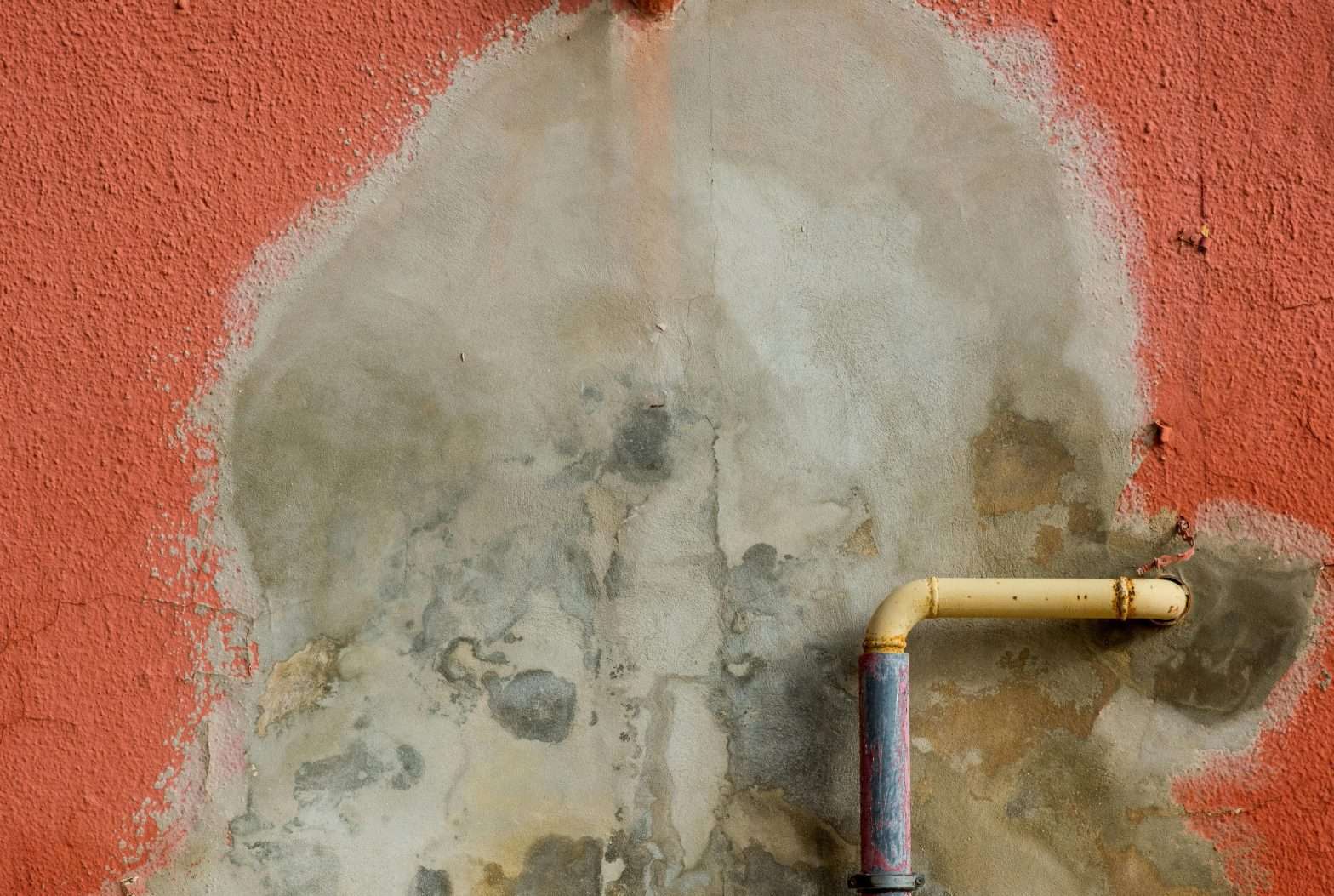
Your home should be a place of comfort and security, but in Western Washington, water has a way of sneaking into places it doesn’t belong. Between heavy rainfall, persistent dampness, and aging homes, water damage is one of the biggest threats to local homeowners. Left unchecked, a small leak can turn into a costly repair, affecting everything from your foundation to your air quality.
As a local remodeling business, we’ve seen firsthand how water damage impacts homes, but we also know that excessive damage can be prevented. Whether you’re dealing with an active leak or looking to reinforce your home against moisture, here’s what you need to know.
Hazards of Water Leaks
Long-term exposure to damp conditions can weaken building materials, leading to foundation cracks, sagging floors, and compromised structural integrity. When the drain in an old apartment building got clogged and rotted out the corner of the second-floor apartment’s living room ceiling, it was a sad and frustrating Christmas Eve as the resident suddenly found water dripping onto the mounted TV she was watching.
Water leaks put everything at risk –Furniture, appliances, even the newest PS5. There’s no reversing severe water damage, and the consequences can be quick and substantial. Early detection is key and quick, proper repair is essential.
Beyond property damage, water leaks can create serious health risks. Moisture buildup encourages mold growth, which can trigger respiratory issues and allergies. By addressing leaks early and using durable, weather-resistant materials, you’re making an investment in both your home’s longevity and your family’s well-being.
Common Sources of Water Damage in Washington Homes
The Pacific Northwest’s wet climate means homeowners need to stay vigilant against leaks, rot, and mold. Let’s take a look at some of the most common types of damage we see from water leaks and how to spot them in your home.

Leaky Roofs:
Missing shingles, clogged gutters, or aging materials allow water to seep into ceilings and walls.
Faulty Windows and Doors:
Poor sealing or old frames let moisture creep inside, leading to rot and drafts.
Plumbing Issues:
Hidden leaks under sinks, behind walls, or in crawl spaces can go unnoticed for months.
Basement and Crawl Space Moisture:
Persistent dampness can cause mold growth and weaken structural supports.
Siding and Exterior Damage:
Cracks, gaps, or improperly installed siding invite rainwater to penetrate your home’s outer shell.
Knowing where to look is the first step in preventing a costly repair.
Water-Damaged Decks and Fences
Outdoor structures like decks and fences are especially vulnerable to water damage in the Pacific Northwest. Constant rain and lingering moisture can cause wood to swell, warp, and rot over time, especially if it’s untreated or poorly maintained. Fasteners may loosen, boards can become unstable, and mold or mildew can make surfaces slippery and unsafe.
Routine sealing, proper drainage, and using weather-resistant materials go a long way in preserving your outdoor living spaces. However, if your deck or fence is already showing signs of water damage, it might be time for repair or replacement.
With decks, water damage often starts where you can’t see it, such as in the framing underneath. If the joists or support beams are starting to rot, crack, or shift out of place, the whole structure can become unstable. Surface issues like warped boards, wobbly railings, or water pooling around the base are also signs it might be time for a closer look.

Fences can have similar issues at the ground level, especially where posts meet the soil. Warping, leaning, or boards that have started to pull away are all signs of water wear. Catching these problems early can help you avoid a full rebuild and get more life out of your outdoor structures.
How to Check for Water Leaks
Water damage doesn’t always announce itself with a dramatic burst pipe. More often, it starts with a small, barely noticeable leak. A few early warning signs might include:
- Discoloration on walls or ceilings (brown or yellow stains)
- A musty odor in certain rooms, especially basements or bathrooms
- Soft or warped flooring near sinks, tubs, or exterior doors
- Peeling paint or bubbling wallpaper, which can indicate trapped moisture
- Unexplained spikes in your water bill, which could mean a hidden leak

Catching water leaks early can mean the difference between a simple repair and a full-blown renovation.
Water Damage Repair and Prevention
If you’ve already spotted an issue, acting fast is crucial.
First, identify the source. Before any repair can be made, track down the root of the problem—whether it’s a leaky roof, a plumbing failure, or poor drainage around the home.
Then, stop the damage. Prioritize immediate fixes like patching leaks, sealing gaps, or installing moisture barriers to prevent further issues.
Next, repair and reinforce. Whether it’s replacing water-damaged drywall, reinforcing a weak foundation, or upgrading to water-resistant materials, these steps may require a professional, but will ensure that your home is stronger and more resilient.
Lastly, consider long-term prevention. Small changes like installing proper ventilation, using mold-resistant materials, and keeping gutters clear to prevent roof damage can make a big difference. Depending on the extent of your home’s water damage and the ability to prevent future leaks, repairing water damage can be the perfect time to update the space into something more functional and sustainable.
Common Water Leak Repairs
Addressing leaks quickly can prevent larger issues down the road. Calling a professional is always the safest option when it comes to major repairs, but many minor leaks can be fixed with basic tools and a little know-how. The following are a few use simple fixes that you can do at home with some common tools and a little bit of elbow grease.
For a leaky faucet, the fix often involves replacing a worn-out washer in a few easy steps:
- Turn off the water supply
- Remove the faucet handle
- Unscrew the cartridge or stem
- Swap out the old washer with a new one
- Reassemble the faucet
- Turn the water back on.
A leaking toilet flapper is another easy repair. Shut off the water supply, flush to empty the tank, then remove and replace the old flapper before reconnecting everything and restoring the water flow.
Sealing a leaking pipe requires turning off the water, cleaning the affected area, and applying a waterproof sealant. Once the sealant dries, the water supply can be turned back on to check for any remaining leaks.
For roof leaks, a temporary fix may involve sealing small cracks or replacing a few damaged shingles. However, for extensive damage, hiring a roofing contractor is the best way to ensure long-term protection.
Preventing Future Water Damage
Routine maintenance can help keep leaks at bay. Regularly inspecting your home’s plumbing, roof, and foundation for early signs of wear can prevent small issues from escalating. Other preventative measures might include:
- Insulating pipes in colder months reduces the risk of freezing and bursting.
- Cleaning gutters and downspouts helps direct water away from your home, preventing backups and leaks.
- Investing in a water leak detection system can also provide an extra layer of protection, alerting you to problems before they become serious.
Work with a Local Remodeler You Can Trust
Fixing water damage isn’t just about patching a leak—it’s about creating long-term solutions that fit your home and your budget. Unlike big remodeling companies, we understand the unique challenges of Puget Sound homes, from the way rainwater moves through a property to the materials that hold up best in our climate.
If you’re concerned about water damage or want to take steps to protect your home, let’s talk about how we can keep your home dry and secure.
Ready to repair the water damage in your home?
Schedule an Estimate
Home Repairs Before Selling: What Adds the Most Value?
Preparing your home for sale can feel overwhelming, especially when you’re trying to decide wh…
How to Choose the Best Flooring for Your Home
Choosing the best flooring for your home is about more than simply finding a material you like the l…
What Is the Best Countertop Material? Comparing Quartz, Quartzite, Granite, Butcher Block, and More
Countertops are one of the most important material decisions in a remodel, especially in the kitchen…
The Best Home Improvements for Resale in Tacoma, WA: What to Fix Before Listing Your Home
The best home improvements for resale are not always the biggest or most expensive projects. In many…
Wood vs. Composite Decking: How to Make the Right Choice for Your Pacific Northwest Home
Building a new deck is one of the most impactful ways to expand your living space and enjoy more of …
The Most Common Home Repairs in Pacific Northwest Homes (and How to Know When It’s Time to Tackle Them)
Home repairs in the Pacific Northwest are often shaped by the region’s constant exposure to moisture…