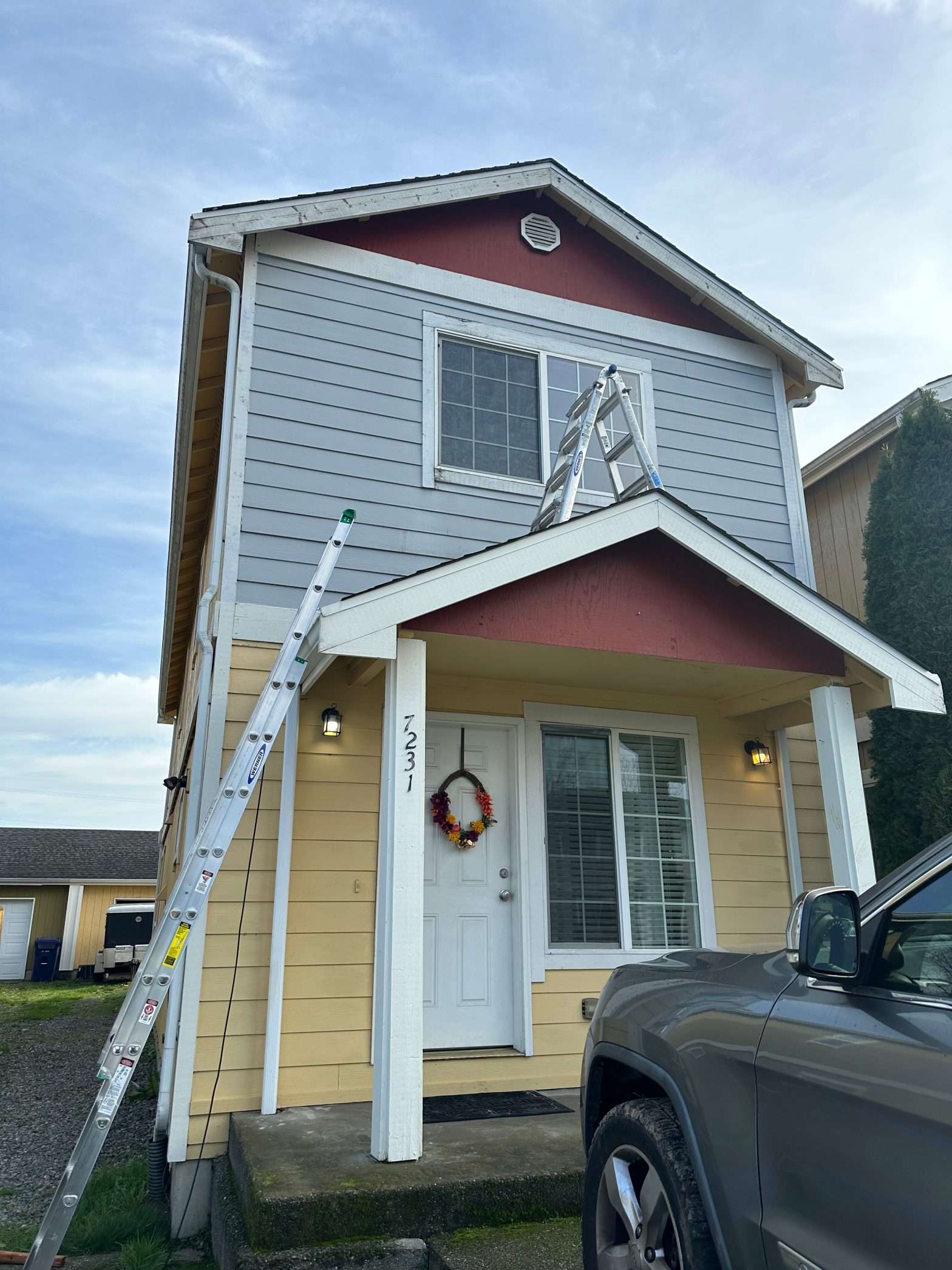

Preparing your home for sale can feel overwhelming, especially when you’re trying to decide which home repairs to tackle before selling and which projects can safely wait. Many homeowners assume they need to invest in expensive renovations before listing their property, but that’s rarely the best place to start.
In our experience as a general contractor serving homeowners throughout Western Washington, buyers are often less concerned with whether a home has the newest finishes than whether it feels cared for, functional, and move-in ready. Small signs of deferred maintenance can raise questions about the condition of the home, while thoughtful repairs and practical updates can help buyers feel more confident about making an offer.
The key is knowing where your efforts will have the greatest impact. Some projects can improve a home’s appeal and reduce concerns during the buying process, while others may do little to increase its value or influence a buyer’s decision. The goal isn’t simply to increase your home’s value on paper. It’s to invest in repairs that help buyers see the home’s potential and reduce concerns before they ever make a decision.
In this guide, we’ll explain how to prioritize repairs before selling, discuss which improvements are most likely to increase buyer confidence, highlight projects that often aren’t worth the investment, and share practical insights we’ve gained from helping Western Washington homeowners decide which repairs are truly worth making before they sell.
What Buyers Really Notice When Touring a Home
When homeowners prepare to sell, it’s easy to focus on the features they wish they could change, like outdated countertops, older cabinets, or finishes that no longer match current trends. While those things can influence a buyer’s opinion, they usually aren’t the first things people notice when they walk through a home.
Instead, buyers are often looking for signs that the home has been well cared for. They notice whether the property reflects regular upkeep, whether obvious repairs have been addressed, and whether the home inspires confidence from the moment they walk through the door. Even if a house is structurally sound, visible signs of deferred maintenance can make it feel less cared for and create uncertainty during the buying process.
Cleanliness and functionality also play an important role. Buyers expect the home to feel clean, safe, and functional, with everyday features working the way they should. They don’t necessarily expect perfection, especially in older Western Washington neighborhoods, but they do appreciate a home that feels well maintained and ready for its next owner.
As a general contractor, one of the biggest lessons we’ve learned is that buyers tend to notice the overall condition of a home long before they notice premium finishes or expensive upgrades. Addressing maintenance concerns, repairing visible damage, and demonstrating consistent upkeep often does more to create a positive first impression than investing in luxury improvements that don’t solve underlying issues.
Fix Anything That Suggests Bigger Problems
One of the quickest ways to build confidence is by addressing the issues buyers are most likely to interpret as signs of larger problems. Not every repair carries the same weight in a buyer’s mind. Some issues are easy to overlook, while others immediately raise concerns because they can suggest more significant problems hidden beneath the surface. Before investing in cosmetic upgrades, it’s worth addressing anything that could make buyers question the state of your home.
Water stains on ceilings or walls, soft or uneven flooring, rotten exterior trim, sticking doors, cracked drywall, deteriorated siding, loose railings, damaged decks, and leaking windows are all examples of issues that deserve attention before listing your home. While some may have relatively simple causes, buyers often don’t know that during a showing. Instead, they may wonder whether they’re seeing signs of water intrusion, structural movement, deferred maintenance, or costly repairs waiting to be discovered.
This is especially important in Western Washington, where moisture is a year-round concern. Buyers throughout the region understand that persistent rain and damp conditions can accelerate problems like wood rot, mold growth, and exterior deterioration if they’re left unaddressed. Even a small water stain or damaged piece of trim can prompt buyers to question whether moisture has affected other areas of the home.

That doesn’t mean every small imperfection needs to disappear before you sell. Instead, focus on resolving the issues that create uncertainty. When buyers see that obvious maintenance concerns have been addressed, they’re more likely to view the rest of the home with confidence rather than wondering what hidden problems might still be waiting behind the walls.
Think Like a Home Inspector Before Buyers Do
Once a buyer decides they’re interested in your home, the inspection often becomes one of the most important steps in the selling process. A home inspection isn’t just about identifying problems. It also helps buyers understand the condition of the home and can influence everything from repair requests to price negotiations.
One significant issue may not necessarily scare buyers away, especially if it’s already been identified and properly repaired. More often, it’s a collection of smaller concerns that begins to tell a story. Safety hazards like loose handrails or unstable deck stairs, damaged crawlspace access doors, aging or damaged decking, evidence of moisture intrusion, and other maintenance concerns can quickly add up in an inspection report. Individually, many of these issues may be relatively simple to address. Together, they can leave buyers wondering how consistently the home has been cared for over the years.
In Western Washington, inspectors also pay particularly close attention to conditions that can contribute to moisture problems. Proper grading and drainage around the home, signs of water intrusion, attic and crawlspace ventilation, deteriorated exterior materials, and worn caulking or flashing around windows and doors are all important because our climate allows moisture-related problems to develop gradually over time. Addressing these concerns before listing can help reduce buyer questions and demonstrate that the home has been responsibly maintained.
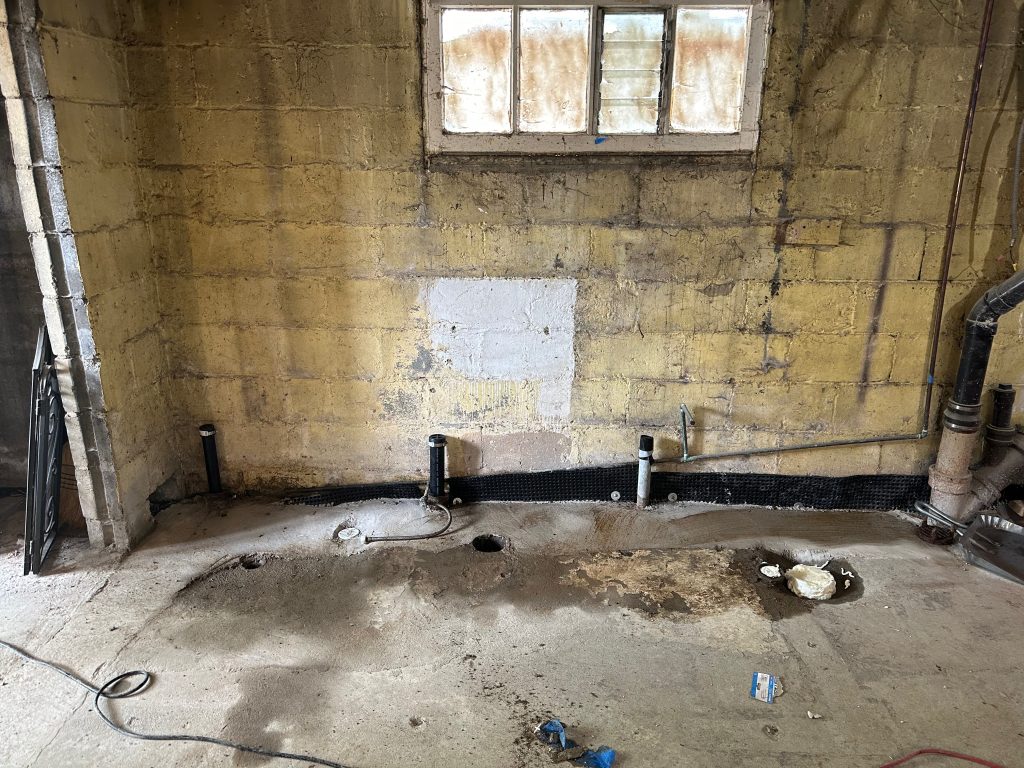
One lesson we’ve learned over the years is that buyers rarely become nervous because of one repair alone. Instead, it’s the overall pattern that matters. A home with a few older features that have been well maintained often inspires more confidence than one with newer finishes but a long list of unresolved issues. Taking the time to resolve those smaller concerns before listing can help your home make a stronger impression, both during the showing and when the inspection report is delivered.
Repairs That Make Buyers Feel More Confident
Now that we’ve looked at how buyers and inspectors evaluate a home, the next step is deciding where to focus your time and budget. While every home is different, certain repairs consistently have a greater impact because they improve safety, functionality, curb appeal, or buyer confidence. Rather than trying to update everything before listing, focus on the areas that are most likely to influence a buyer’s overall impression of the home.
Exterior Repairs
The exterior is the first opportunity to show buyers that a home has been maintained. Visible damage or neglected maintenance can create doubts before anyone even steps inside. This is especially true in Western Washington, where rain and moisture naturally take a greater toll on exterior materials.
Start by repairing rotten or damaged trim, deteriorated siding, loose or leaking gutters, worn exterior doors, aging decks, unstable railings, and uneven walkways or steps. These are highly visible features that buyers notice quickly, and many also receive close attention during a home inspection because they affect safety, drainage, or weather protection.
If your property includes fencing, repairing broken boards, leaning sections, or damaged gates can also improve the overall presentation of the property. Once repairs are complete, simple finishing touches like cleaning the gutters, pressure washing exterior surfaces, or touching up peeling paint can help the home look its best without becoming the focus of your budget.
Interior Repairs
Inside the home, buyers pay close attention to how everything functions. Doors should open and latch properly, cabinets and drawers should operate smoothly, flooring should feel solid underfoot, and stairs should feel safe and stable. These everyday details may seem small, but they influence how buyers perceive the general condition of the home.
Prioritize repairs to damaged drywall, worn trim, sticking or damaged interior doors, loose hardware, damaged flooring, squeaky stairs, broken built-ins, worn baseboards, and other visible carpentry issues. Replacing outdated light fixtures isn’t always necessary, but repairing broken fixtures or improving dimly lit spaces can make the home feel brighter, more inviting, and move-in ready.
Kitchen Improvements
A kitchen doesn’t have to be completely remodeled to leave a positive impression. In fact, buyers are often more interested in a kitchen that functions well and has been properly cared for than one filled with expensive finishes that may or may not match their personal style.
Instead of planning a full kitchen remodel, focus on repairing damaged cabinet doors or drawers, replacing worn hardware, fixing chipped countertops or loose backsplash tile, improving storage where practical, and addressing damaged flooring or other noticeable wear. Refreshing the kitchen while preserving a clean, functional workspace is often a smarter investment than replacing everything before selling.
Bathroom Improvements
Bathrooms are another area where buyers naturally look for signs of moisture damage or other problems that could become expensive if they’re ignored.
Start by repairing cracked or missing grout, replacing deteriorated caulking, fixing broken or loose tile, addressing damaged flooring, repairing dripping faucets or other fixtures, and making sure exhaust fans are operating properly. These improvements help the bathroom feel clean, functional, and cared for while also reducing concerns about hidden moisture issues that could surface during an inspection.

Repairs That Usually Aren’t Worth Making Before Selling
One of the biggest mistakes homeowners make before listing their home is assuming they need to replace anything that looks outdated. While there are situations where a larger renovation makes sense, many expensive projects simply don’t provide enough value to justify the investment, especially if they’re completed solely to prepare the home for sale.
Luxury kitchen or bathroom remodels, high-end appliances, custom built-ins, premium finishes, and other highly personalized upgrades often fall into this category. While these improvements may appeal to some buyers, they may do little to influence others who already plan to update the home to match their own tastes, lifestyle, or long-term needs. Many buyers expect to personalize finishes after they move in, so investing heavily in cosmetic upgrades isn’t always the best use of your budget. Likewise, replacing perfectly functional systems or features simply because they’re older often provides less value than addressing repairs that improve the home’s condition or functionality.
Instead, ask yourself a simple question before starting any project:
Will this repair solve a buyer’s concern, or am I replacing something that a future homeowner may choose to change anyway?
That question can help guide your decisions and prevent unnecessary spending. Buyers are generally more interested in a home that’s clean, functional, and free of obvious maintenance concerns than one filled with expensive upgrades that don’t improve how the home performs.
If you’re working with a limited budget, prioritize repairs that improve safety, functionality, or the overall condition of the home before considering cosmetic upgrades. In many cases, the best return on investment comes from addressing maintenance concerns that reassure buyers rather than spending heavily on personalized upgrades. Every dollar you invest should help eliminate a buyer concern, strengthen their confidence in the property, or improve the home’s overall appeal.
Selling As-Is vs. Making Repairs
Deciding whether to sell your home as-is or complete repairs before listing isn’t always a simple choice. The right approach depends on your home’s condition, your budget, your timeline, and what buyers are likely to expect in your local market. Rather than asking whether you should repair everything or nothing at all, focus on making thoughtful improvements that help your home appeal to the right buyers.
One of the first questions to ask is whether a repair addresses a genuine buyer concern or simply reflects your personal preferences. Buyers expect to make some changes after moving in, especially when it comes to paint colors, finishes, or design choices. They’re generally less concerned about features they plan to personalize than they are about issues that affect the home’s condition, safety, or functionality.
It’s also helpful to consider how your home compares to others nearby. Buyer expectations vary depending on the neighborhood, the age of surrounding homes, and the local real estate market. A home that’s competing with recently updated properties may benefit from a different strategy than one located in an older neighborhood where buyers expect some cosmetic updates. The goal isn’t necessarily to have the nicest home on the block. It’s to make sure your home compares favorably with others in a similar price range.
Another important consideration is whether a repair is likely to become a sticking point during negotiations. Some concerns are easy for buyers to overlook, while others can lead to repair requests, price reductions, or second thoughts after an inspection. Addressing those issues before listing can sometimes simplify the selling process and give buyers greater confidence in the home’s general condition.
In many cases, the best approach falls somewhere in the middle. Instead of investing in extensive renovations or choosing to sell entirely as-is, homeowners often benefit most from completing a handful of targeted repairs that eliminate buyer concerns while avoiding projects that are unlikely to influence purchasing decisions.
If you’re unsure where to draw that line, an experienced general contractor can help you evaluate your home objectively and identify the improvements that are most likely to strengthen your position before listing. Sometimes the best investment isn’t doing more work. It’s knowing which projects will make the biggest difference and which ones can be left for the next owner.
A Tacoma Contractor’s Perspective on Preparing Your Home for Sale
No two homes are exactly alike, and no universal checklist applies to every property before it’s listed for sale. After working on homes throughout Pierce and King counties, we’ve found that the most important question isn’t simply what needs to be repaired. It’s how well the home reflects the realities of living in Western Washington. Buyers rarely evaluate a home in isolation. They’re comparing it with every other property they’ve recently toured in the same price range and market.
Moisture management is one of the biggest examples. Western Washington’s rainy climate places added stress on siding, trim, decks, fences, and other exterior wood components. As a result, moisture-related issues often receive closer attention during showings and inspections. Buyers who are familiar with the region recognize these as common maintenance concerns, while those relocating to Western Washington often look for reassurance that the home has been well cared for. Signs of rot, deteriorating caulking, clogged gutters, moss buildup, or postponed exterior maintenance can all raise questions about how well the property has been protected over the years.
Older homes throughout Tacoma and many surrounding communities come with their own set of expectations. Buyers are often drawn to classic Craftsman architecture, original woodwork, and the character these homes provide, but they also tend to understand that older homes naturally settle, materials age, and certain features require periodic repairs. Rather than expecting these homes to feel brand new, most buyers simply want to see that they’ve been consistently maintained. Original details that have been preserved and cared for often inspire far more confidence than cosmetic updates that leave maintenance concerns unresolved.
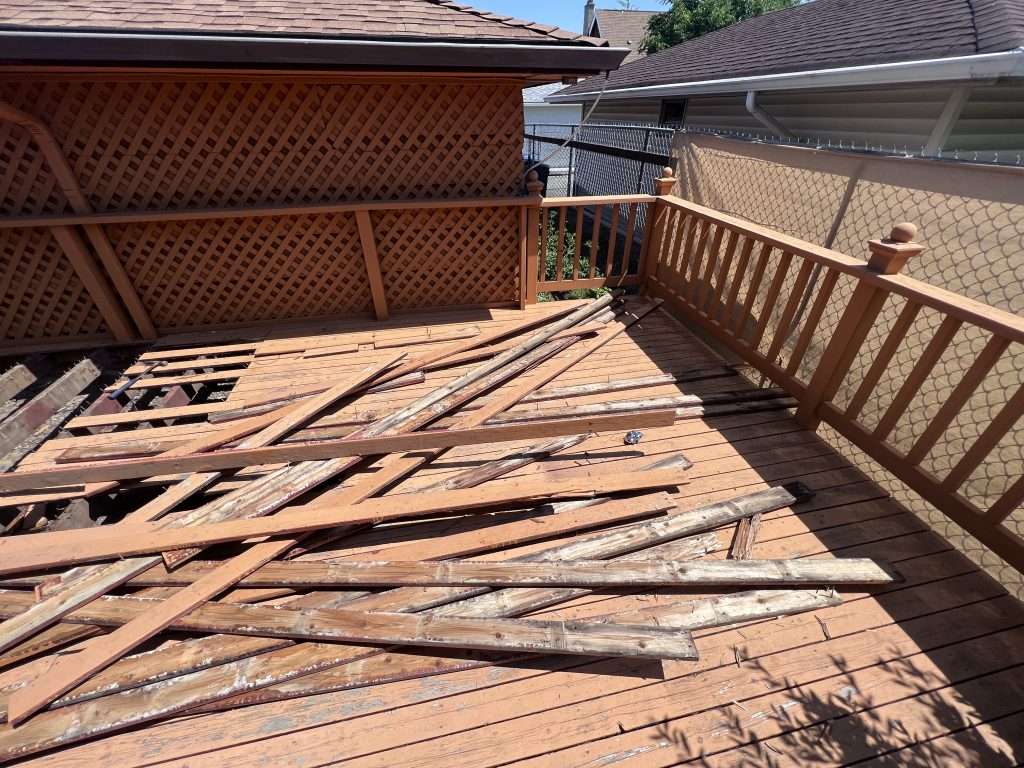
Outdoor living spaces deserve special attention as well. Decks are a major selling feature across Western Washington, especially during the spring and summer months when buyers can easily picture themselves spending time outside. Because decks are constantly exposed to rain, changing temperatures, and seasonal moisture, buyers often look closely at how they’ve held up over time. Stable railings, sound framing, and solid deck boards can reassure buyers that the structure has been properly maintained, while visible deterioration may encourage closer scrutiny during an inspection.
Perhaps the biggest piece of advice we can offer is this: Prepare your home for the expectations of your local market, not for a hypothetical national television audience. Buyers aren’t evaluating your home against every house they’ve ever seen; they’re comparing it to other homes available in the region. A home that clearly shows signs of consistent maintenance allows buyers to focus on its layout, character, and potential instead of wondering what repairs may be waiting after they move in.
Know When Your Home Is Ready
It’s easy to fall into the trap of believing there’s always one more project worth tackling. In reality, there comes a point where additional improvements stop making a meaningful difference to buyers and simply consume more time and money.
Once you’ve addressed repairs that improve the home’s condition, resolved issues that are likely to concern buyers or inspectors, and ensured the property compares well with similar homes in your market, it may be time to stop. Buyers aren’t looking for perfection. They’re looking for a home that feels cared for and doesn’t leave them wondering what expensive surprises might come next.
Remember that you’re preparing your home to be sold, not creating your forever home. The goal isn’t to remove every sign of age or personalize every space. It’s to present a home that feels well maintained, functional, and ready for its next owner to make it their own.
Not Sure Which Repairs Are Worth Making?
Preparing your home for sale doesn’t have to mean completing every project on your wish list. The key is focusing on the repairs that make buyers feel more secure in their decision and help your home compete in the Western Washington market.
If you’re unsure where to invest your time and budget, Betterly Construction can help you evaluate your home’s condition, prioritize the repairs that matter most, and avoid spending money on projects that are unlikely to influence buyers. From targeted home repairs and carpentry work to larger renovation projects, we’ll help you determine what should be repaired, what can wait, and how to prepare your home without spending more than necessary.
Learn more about our Home Repairs & Renovations services or contact us today to schedule a consultation.
Still Researching Your Options?
Check Out Our Blog for More Helpful Home Improvement Articles
How to Choose the Best Flooring for Your Home
Choosing the best flooring for your home is about more than simply finding a material you like the l…
What Is the Best Countertop Material? Comparing Quartz, Quartzite, Granite, Butcher Block, and More
Countertops are one of the most important material decisions in a remodel, especially in the kitchen…
The Best Home Improvements for Resale in Tacoma, WA: What to Fix Before Listing Your Home
The best home improvements for resale are not always the biggest or most expensive projects. In many…
Wood vs. Composite Decking: How to Make the Right Choice for Your Pacific Northwest Home
Building a new deck is one of the most impactful ways to expand your living space and enjoy more of …
The Most Common Home Repairs in Pacific Northwest Homes (and How to Know When It’s Time to Tackle Them)
Home repairs in the Pacific Northwest are often shaped by the region’s constant exposure to moisture…
Kitchen Layout Guide: Creating the Best Kitchen Layout for Your Home
When homeowners start planning a kitchen renovation in Tacoma, it’s easy to focus on the visible upg…