Late summer in Western Washington can bring sticky afternoons and restless nights, but running the air conditioning around the clock isn’t always the best answer. Factors like high energy bills, a lack of central AC in many older homes, and a push toward greener living have many Tacoma homeowners wondering how to keep their homes comfortable without cranking the thermostat down.
The good news? There are plenty of simple, affordable strategies that can help you stay cool through August and into September without relying on your air conditioning system to do all the work. From airflow tricks and window coverings, to shade solutions and small home upgrades, this article covers tons of great tips for how to keep your home cool without AC, along with simple tricks that work even in older Tacoma-area homes.
Optimize Airflow and Ventilation
Sometimes the simplest solutions make the biggest difference. By optimizing the airflow and ventilation, you can help your home feel several degrees cooler simply by keeping the air moving.
How can you achieve proper airflow? The best way depends on the layout of your house, so here are a few options:
- Cross-ventilation: On cooler mornings and evenings, open windows on opposite sides of your home to create a natural breeze. This works especially well in older Tacoma homes that were designed to maximize airflow before air conditioning became common.
- Strategic window use: Let the breeze in during the coolest parts of the day, then close windows and draw blinds or curtains once the heat picks up to trap the cool air inside.
- Clear pathways for air: Keep interior doors open and avoid blocking vents or window openings with furniture, heavy drapes, or storage.
If your home has multiple levels, try cooling from the top down. Hot air rises, so opening upstairs windows and placing a box fan facing outward can help pull trapped heat out of the house. Meanwhile, closing lower-floor vents or doors helps direct cooler air where you need it most.
Even in the middle of August, Tacoma’s evenings tend to cool off quickly, so using that nightly temperature drop to your advantage can also make a real difference. And if you’re finding it hard to keep your home comfortable year after year, it might be worth considering long-term solutions like improved insulation or better attic ventilation, especially in homes built before the 1980s when energy efficiency codes became standardized.
Did You Know?
Many homes in Tacoma and the surrounding areas were built before modern energy codes became standard in the early 1980s. That means they often lack:
- Adequate attic and wall insulation
- Proper attic ventilation
- Energy-efficient windows and weather sealing
If your home was built before 1980, chances are you’re missing out on comfort and savings. Small upgrades, like improving insulation or replacing drafty windows, can dramatically reduce heat buildup and make your home more efficient year-round.
Block Heat Before It Gets In
Preventing heat from entering your home is often easier (and more efficient) than trying to cool it down after the fact. In Tacoma’s warmest months, especially with older homes that lack insulation or use large single-pane windows, a few smart strategies can make all the difference to keeping your home cool in the summer.
Use Window Coverings
Start by managing sunlight. Closing curtains or blinds, particularly on south- and west-facing windows, is one of the simplest ways to cut down on heat gain. You can take it a step further with some of the best options for what to put on windows to keep heat out, including installing thermal curtains or reflective window film that help bounce heat away instead of absorbing it.
Install Exterior Shade
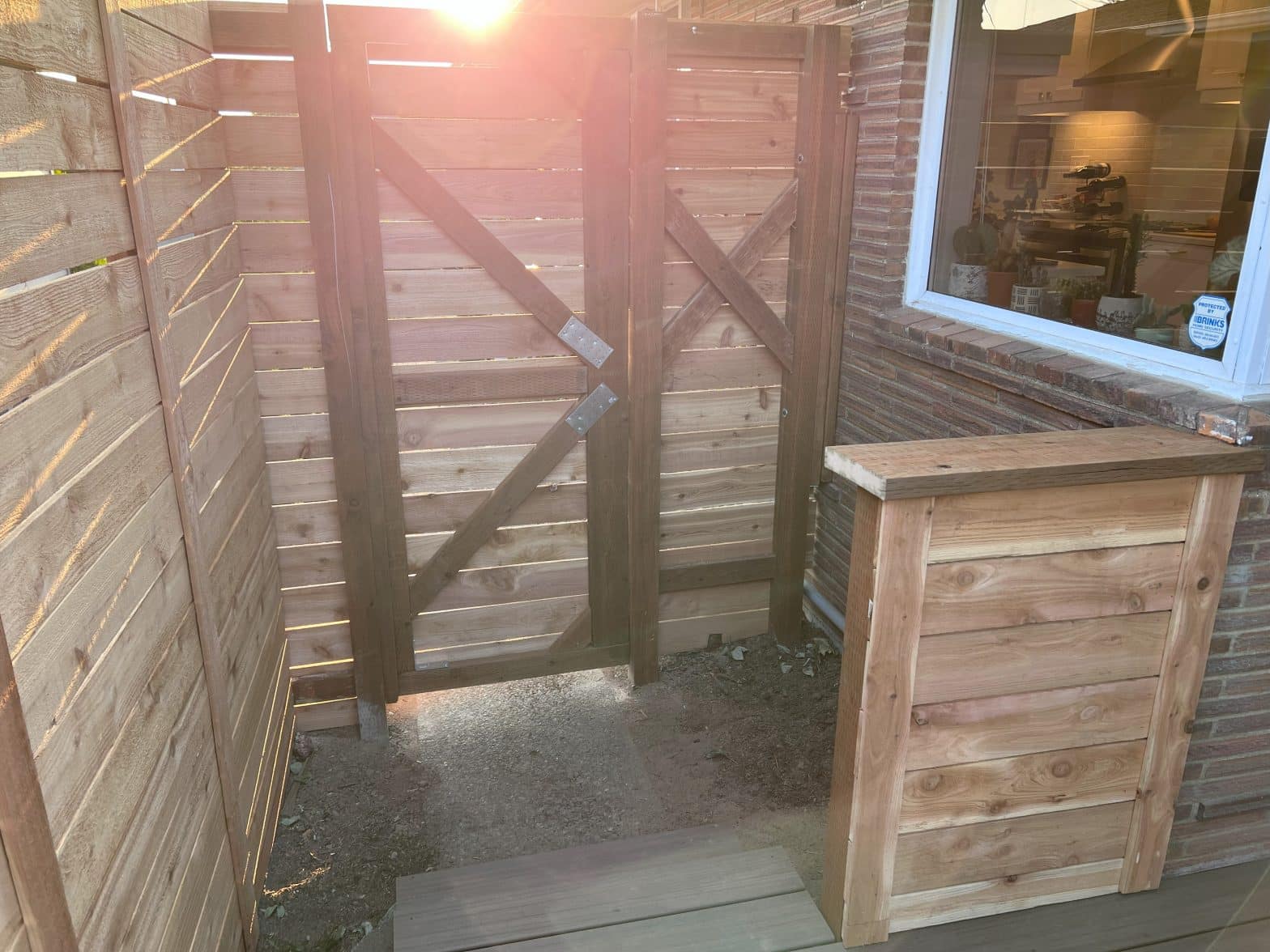
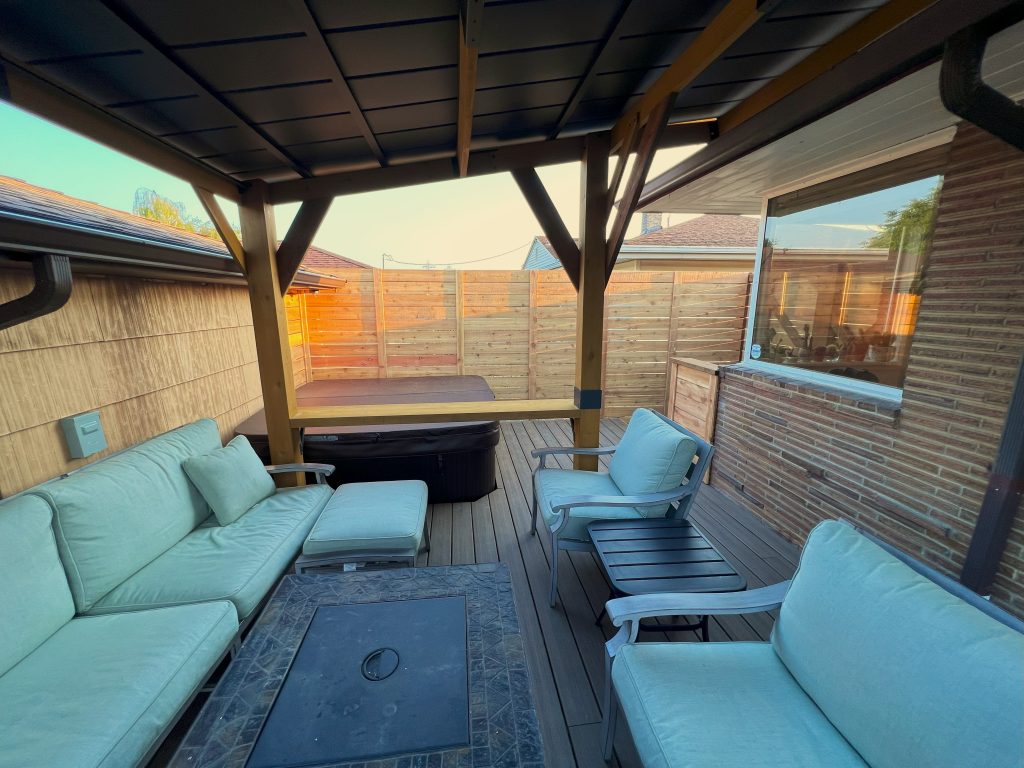
If you’re looking for longer-term solutions, consider exterior shade. Awnings, pergolas, and exterior blinds create a protective buffer between direct sunlight and your home’s interior. These upgrades also enhance curb appeal and pair well with outdoor living spaces.
Add Natural Shade with Landscaping
For an eco-friendly and natural option, planting shade trees or tall shrubs near sun-facing walls can reduce indoor temperatures by several degrees over time. Choose deciduous trees that block summer sun but let in winter light for year-round efficiency.
Seal Drafts and Cracks
Don’t overlook the basics—air sealing around doors and windows helps keep cool air in and hot air out. Caulking cracks and replacing worn-out weather stripping are affordable upgrades that pay off quickly in both comfort and energy savings.
Use Smart Cooling Strategies Indoors
Once you’ve done your best to keep the heat out, it’s time to take charge of the air that’s already inside. The right indoor cooling strategies can make a surprisingly big difference in how your home feels—without touching the thermostat.
Use Fans the Smart Way
Fans don’t actually lower the temperature, but they can make a room feel cooler by increasing air circulation and helping sweat evaporate faster. Knowing Learning how to use a fan to cool a room effectively comes down to smart placement and airflow strategies:
- Create cross-ventilation: Place a box fan across from a window or door to draw in cooler evening air and push warm air out.
- Try the bowl-of-ice trick: Position a fan to blow over a shallow bowl of ice for a simple DIY air chiller.
- Reverse ceiling fans: Make sure ceiling fans are spinning counterclockwise in summer to push cooler air downward.
If you’re trying to cool down a room fast, fans are one of your best allies, especially in small spaces or rooms with limited airflow.
Dehumidify When Needed
High humidity makes warm air feel hotter and everything a bit sticky. In coastal areas like Tacoma and Seattle, it has a way of sneaking up during summer (especially when some rain showers sneak in there, too). Luckily, a portable or whole-home dehumidifier can help your space feel cooler and more comfortable. They’re particularly useful in rooms that endure a lot of moisture, such as bathrooms, kitchens, and basements.
Turn Off Heat-Producing Appliances
Appliances like ovens, dryers, and even computers give off heat. To help keep your home cooler, try limiting their use during the hottest parts of the day. Some temperature-conscious switches could include:
- Cooking outside on the grill or opt for no-cook meals.
- Running your dishwasher and laundry in the evening when it’s cooler.
- Switching off unused electronics and lights, especially incandescent bulbs.
Making small adjustments to when and how you use these appliances can noticeably lower indoor temperatures and even reduce your energy bills over time.
Swap Out Materials That Trap Heat
Sometimes it’s not just electronics, but the materials inside your home contributing more to indoor heat than you realize. From heavy rugs to dark countertops, certain surfaces absorb and retain warmth throughout the day, making rooms feel hot even after the sun goes down. If you’re looking for how to keep your home cool without blasting the AC, updating the materials and finishes can make a surprising difference.
Choose Light-Colored Surfaces and Finishes
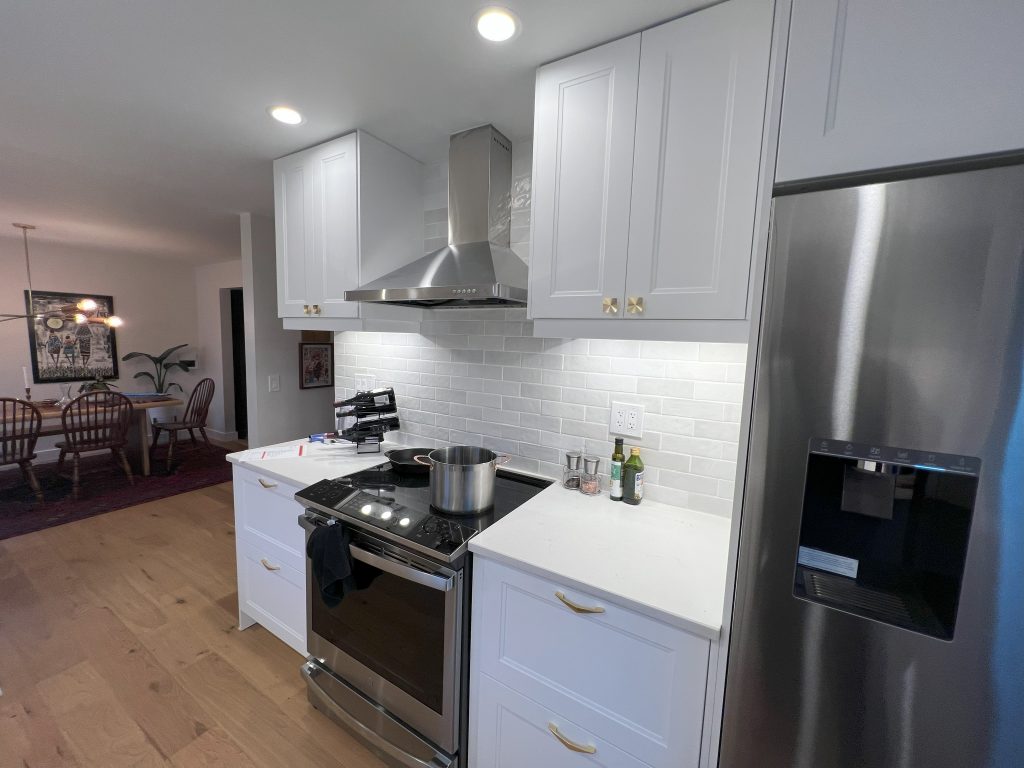
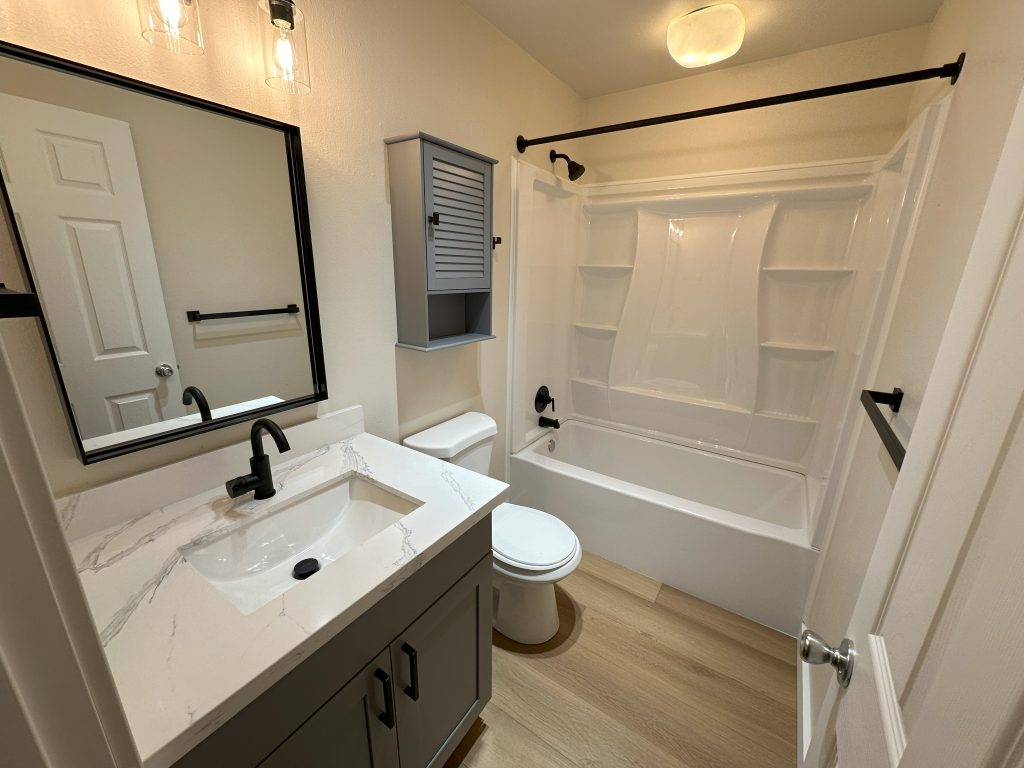
Walls, ceilings, and countertops in light tones reflect more sunlight and help reduce heat absorption indoors. If you’re repainting this season, choose colors like bright whites, soft grays, or muted pastels to lighten the feel of your home while naturally deflecting heat.
Countertops in lighter colors and materials—like white quartz, pale granite, or even updated laminate—can stay cooler to the touch, especially in kitchens with lots of afternoon sun. For Tacoma homeowners thinking about future updates, this is one of those small design choices that can have a big impact on both comfort and resale value. These lighter finishes continue to work year-round by reflecting natural light and keeping interiors bright and inviting rather than dark or closed-in as the Pacific Northwest heads into cooler months.
Replace Heavy Fabrics with Breathable Alternatives
Fabrics play a bigger role in indoor temperature than you might think. Thick materials like velvet, flannel, or chenille absorb heat and humidity, making a room feel stuffy. By swapping them out for breathable cotton, lightweight linen, or bamboo fabrics, you can help improve both the airflow and the overall comfort of the space.
During the summer, consider switching to lighter drapes, slipcovers, and bedding—items that can easily be swapped back out for warmer alternatives in the Fall. If you live in an older Tacoma home without strong insulation, this seasonal swap can even help balance out some of the heat transfered into the room from your walls and windows.
Use Rugs Strategically
Area rugs can add style and softness, but in warm weather, they often trap heat and block airflow across cooler surfaces like hardwood, tile, or vinyl. If you have large, dark rugs, consider rolling them up for the season or replacing them with a thinner flatweave or natural-fiber alternative like jute or bamboo.
This simple change not only helps your rooms stay cooler, it also makes cleaning easier during the high-pollen summer months. While thick area rugs require a professional carpet cleaning machine, many lightweight rugs can easily be washed and refreshed.
Leverage Natural Shade and Landscaping
Washington’s evergreen beauty doesn’t just look good—it can also help keep your home cool. With a little planning, your landscaping can provide long-lasting relief from summer heat while improving curb appeal and energy efficiency.
Plant Trees Strategically
Shade trees are one of the most effective ways to passively cool your home. Deciduous trees like maple or dogwood provide dense summer shade and lose their leaves in winter, allowing in warming sunlight when you need it most. For best results:
- Plant on the south and west sides of your home to block the strongest afternoon sun.
- Choose native species that thrive in the Puget Sound climate and support local ecosystems.
- Consider fast-growing varieties if you want more immediate shade—just make sure they’re appropriate for your lot size.
In addition to providing shade and relieving your home of summer hear, thoughtful landscaping can also boost curb appeal. Matching your house color schemes and garden colors creates a cohesive, polished look that highlights your home’s exterior.
Use Shrubs and Vines as Living Insulation
Climbing vines like clematis or ivy (if managed carefully) can cover exterior walls or trellises, offering an additional layer of insulation. Meanwhile, dense shrubbery around the foundation can reduce the heat that radiates up from paved surfaces or reflected light from siding.
- Install a trellis or arbor along sun-exposed walls.
- Use mulch or ground cover instead of heat-retaining rock or concrete in key areas.
Install Shade Structures
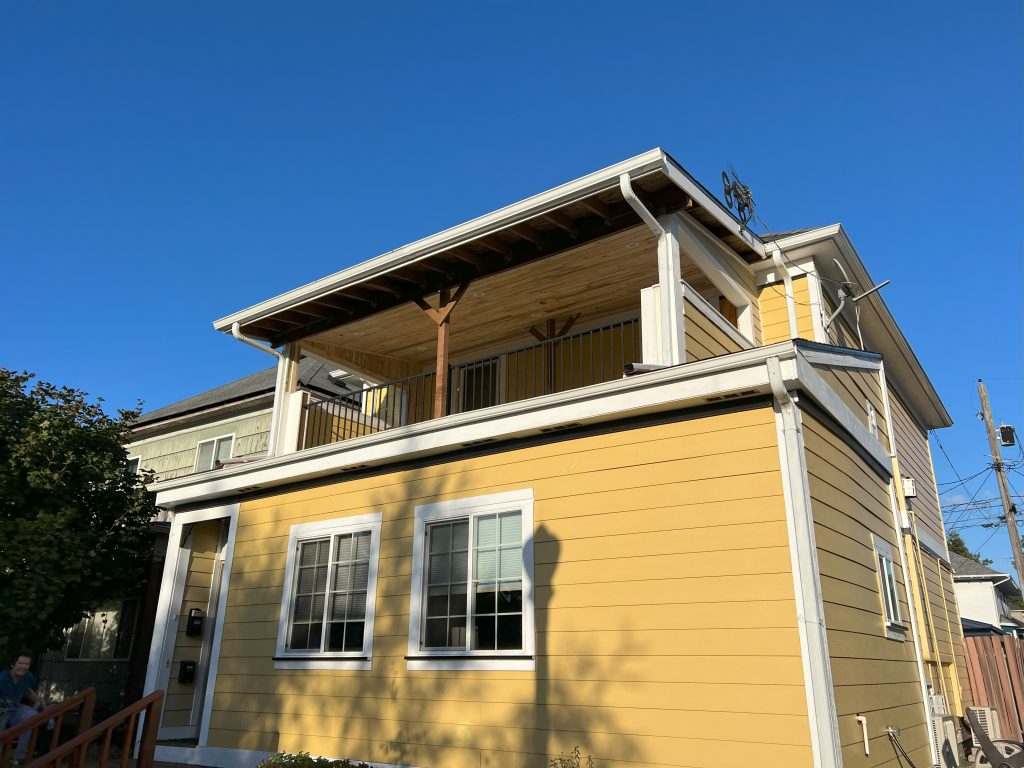
Not every homeowner wants to wait for a tree to grow. Pergolas, awnings, and patio covers provide shade right away, and they can be built to complement your home’s style. These structures don’t just reduce heat gain, but they can make outdoor spaces more usable throughout the year by creating natural transitions between indoor and outdoor living areas.
Consider Long-Term Home Upgrades
Short-term fixes can bring relief during the hottest days, but lasting comfort often comes from bigger-picture improvements. If you’re living in an older home, especially one of the many 1950s–70s builds common in Tacoma and surrounding areas, targeted upgrades can help regulate indoor temperature, improve energy efficiency, and reduce your dependence on air conditioning.
Improve Insulation and Add Attic Ventilation
One of the most effective ways to keep heat out (and cool air in) is to make sure your insulation is doing its job. Many homes in the South Sound were built before today’s energy codes, which means the insulation may be outdated, patchy, or missing entirely in key areas.
In particular, split-level homes and older single-story houses often suffer from poorly insulated attics and minimal airflow. Installing attic fans or upgrading your insulation helps prevent heat buildup, reduces HVAC strain, and creates a more balanced indoor temperature—even on the hottest days.
Upgrade to Energy-Efficient Windows
Windows are another major factor in temperature regulation. Single-pane or older aluminum-framed windows are notorious for letting heat leak in (and out in cooler months). If your windows are hard to open, fogged up, or radiating heat, it may be time for an upgrade.
Modern double-paned windows with low-emissivity (low-E) coatings reduce heat transfer and offer better insulation, helping keep rooms cooler in summer and warmer in winter. For homeowners already considering a renovation, updating your windows is a smart investment in both comfort and energy savings.
Improve Kitchen and Bathroom Ventilation
Heat and humidity don’t just come from outside—they build up inside too. Proper ventilation in kitchens and bathrooms can help move warm, moist air outdoors instead of letting it circulate through your home.
In bathrooms, adding or upgrading an exhaust fan can keep spaces from becoming overly humid, which not only helps with temperature regulation but also protects finishes from long-term moisture damage. In the kitchen, a high-quality range hood or ceiling fan similarly helps vent hot cooking air more efficiently, not only keeping the house cooler, but also helping to prevent undesirable side effects of excessive moisture like mold and mildew.
Ready for Long-Term Comfort?
Ask us about insulation, siding, window replacement, and ventilation solutions during your next bathroom or kitchen remodel. Not only do these upgrades make your home more livable year-round, but they can boost property value and reduce your energy bills over time as well.
When to Call in the Pros
Even with the best at-home strategies, some houses are just difficult to keep cool—especially in the Tacoma area, where older homes are common and weather patterns are changing. If your home still feels uncomfortably warm despite window coverings, fans, and smart cooling habits, it could be time to take a closer look at what’s happening behind the walls.
Persistent discomfort often points to deeper issues: outdated insulation, poorly sealed windows, aging vents, or insufficient airflow. Many homes built before the early 2000s lack modern energy efficiency standards, and even small inefficiencies in older materials can trap heat and make every room feel stuffy.
If this sounds familiar, Betterly Construction can help. We specialize in thoughtful home upgrades that don’t just improve appearances, but enhance your daily comfort. Whether you need new energy-efficient windows, better insulation, or ventilation improvements tied into a larger remodel, we’ll work with you to design solutions that suit your home and your lifestyle.
Staying cool without blasting the AC isn’t just possible—it’s practical, especially for Tacoma-area homeowners. With the right combination of smart daily habits and long-term upgrades, you can create a home that’s comfortable, efficient, and ready for whatever the seasons bring. Not only will you reduce your energy bills, but you’ll also boost your home’s value and enjoy lasting comfort throughout the year.
Interested in energy-efficient home upgrades?
Reach out to Betterly Construction LLC to explore upgrades that can help you stay cool in summer—and cozy in winter—without relying on expensive energy bills to do it.